
Strip Grazing Posts
Shop our range of strip grazing posts — lightweight, portable posts designed for setting up and moving electric fence strips and temporary paddock divisions quickly and efficiently on grazing properties across Australia.
-

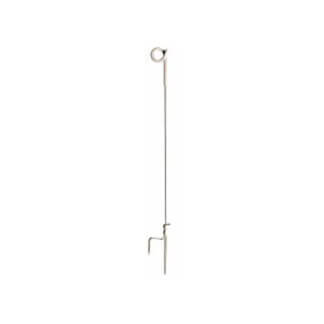
String Post for Strip Grazing – Thunderbird EF-39 Pigtail 6mm Tread In Post
$10.00Add to cart -
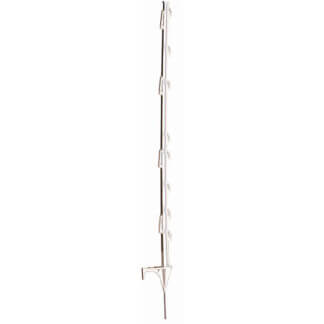
Tread In Post – Thunderbird EF-61 WHITE Plastic Multi Wire
Sale! Original price was: $11.03.$10.00Current price is: $10.00.Add to cart -
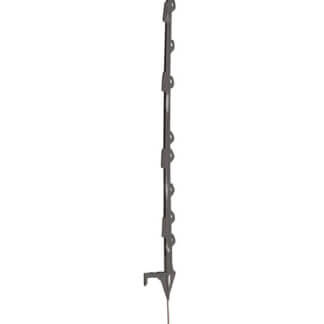
Thunderbird EF-61B BLACK Plastic Multi Wire Tread In Post
Sale! Original price was: $11.03.$10.00Current price is: $10.00.Add to cart
Strip Grazing Posts — Buying Guide
What Is Strip Grazing?
Strip grazing is a pasture management technique where livestock are given access to a narrow strip of fresh pasture at regular intervals (typically daily), moving the electric fence as the strip is grazed. This intensive rotational system maximises pasture utilisation, reduces selective grazing, allows rapid pasture recovery and can significantly increase the carrying capacity of a property. Strip grazing posts are the key tool that makes this system practical and quick to operate.
Types of Strip Grazing Posts
- Step-in plastic posts — the most popular choice; lightweight HDPE posts with a foot step for easy insertion and removal from the ground; typically 900mm–1200mm in height; available with multiple wire loops for multi-strand fences
- Fibreglass posts — stronger and more durable than plastic posts; better resistance to UV degradation and breakage; preferred in rocky ground where plastic posts bend or break
- Pigtail posts — spiral-ended metal rods that twist into the ground for very secure temporary installation; the wire clips directly into the spiral; excellent for use with polywire and polytape
Setting Up an Effective Strip Grazing System
Place posts at 3–5 metre intervals for standard electric tape or polywire. For larger cattle, closer post spacing (3 metres) provides better fence support. Move the front fence (fresh pasture allocation) daily or twice daily for maximum grazing management control. A back fence is often used to prevent re-grazing of recovering strips. The entire system should be highly visible to livestock — use wide electric tape (40mm or wider) for maximum visibility, especially for horses.
Frequently Asked Questions
How many strip grazing posts do I need?
For a typical strip width of 50 metres and a fence run of 200 metres, you would need approximately 40–65 posts per line (front and back fences). Having 20–30% spare posts allows for gate gaps, corners and unexpected needs.
Can strip grazing posts be used in hard or rocky ground?
Standard step-in plastic posts are difficult to insert in very hard or rocky ground. Fibreglass posts with a sharper end, or pigtail posts that are twisted rather than pushed in, are better options for challenging soil conditions.
How long do plastic strip grazing posts last?
UV-stabilised plastic step-in posts typically last 3–7 years with regular use and outdoor exposure. Replace any posts that become brittle, cracked or have damaged wire loops.
Order Strip Grazing Posts Online — Australia-Wide Delivery
Order online for fast dispatch. We supply dairy, beef and mixed grazing operations across Australia with electric fencing and strip grazing equipment. Contact us for bulk pricing on large quantities.