
Treated Pine Rails
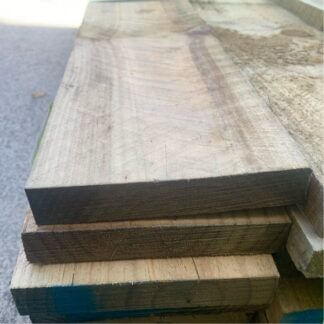
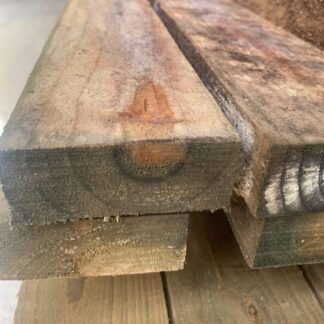
Shop our range of treated pine fence rails — H3 or H4 treated pine timber rails for residential and rural fencing frames, providing the horizontal structure to which palings, mesh and other fence materials are fixed.
Treated Pine Fence Rails — Buying Guide
What Are Fence Rails?
Fence rails are the horizontal timber members that run between fence posts to form the structural frame of a timber fence. Palings, mesh, panels and other fence infill materials are fixed to the rails. The quality and treatment class of the rails directly impacts the overall longevity of the fence — rails set into or near the ground are especially vulnerable to moisture and must be appropriately treated.
Common Rail Sizes
- 70mm x 35mm — lightweight rail suitable for light paling fences and garden fencing
- 90mm x 35mm (3 x 2 DAR) — the most commonly used residential fence rail; suitable for standard timber paling fences up to 1800mm high
- 90mm x 45mm — heavier rail for wider post spacing or areas with higher lateral loads
- 140mm x 45mm — heavy-section rail for feature fencing, gates and high-specification projects
Treatment Classes for Fence Rails
The correct treatment class depends on whether the rail will be in ground contact or above-ground only. H3 treated pine is suitable for above-ground, weather-exposed applications such as fence rails that don’t touch the ground. H4 is required for rails that will be in direct ground contact (such as lower fence rails near grade in wet areas). Always confirm the treatment class of the timber before installation.
Installation Tips
Fix rails to posts using galvanised coach screws (at least 75mm x 10mm) for a strong, weather-resistant connection. Space rails at appropriate heights for the paling or infill height — typically a top rail, bottom rail and at least one mid rail for fences 1500mm and above. Maintain a gap between the bottom rail and the finished ground level to prevent moisture wicking. Use galvanised joist hangers or rails clips where the fence design requires recessed rail installation.
Frequently Asked Questions
How far apart should fence rails be spaced?
For standard 1200mm–1800mm paling fences, rails are typically spaced at the top, middle and bottom of the fence panel. For taller fences, add additional rails to prevent the paling from bowing under wind load.
What screws or nails do I use for fence rails?
Use hot-dipped galvanised coach screws or structural screws. Stainless steel screws provide superior corrosion resistance, particularly in coastal environments or where long-term weathering resistance is required.
Order Treated Pine Fence Rails Online — Australia-Wide Delivery
Order online for fast dispatch. We supply homeowners, builders and fencing contractors across Australia with quality treated pine fencing materials. Contact us for bulk pricing on large orders.