
Description
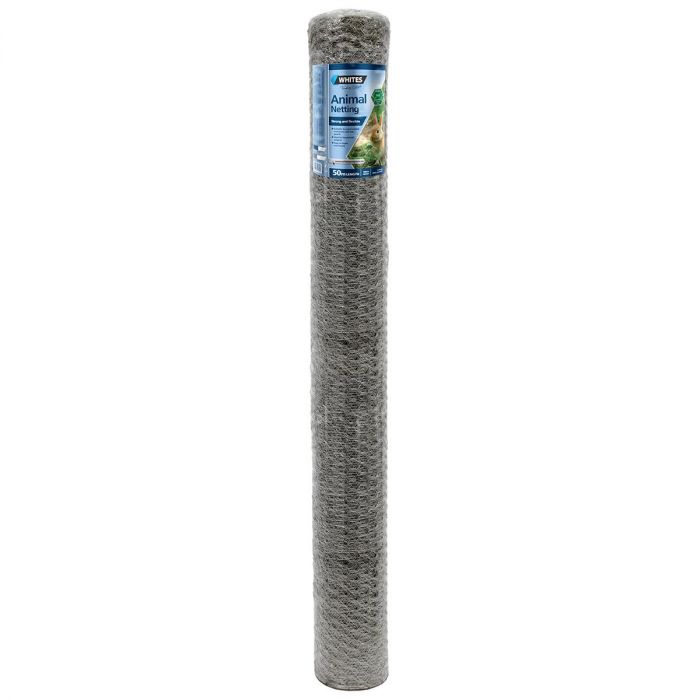
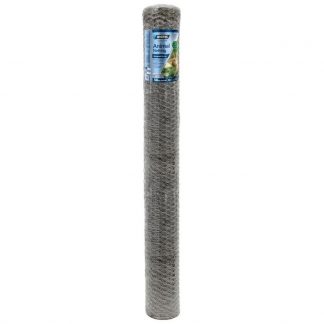
Chicken Netting & General Animal Netting
Chicken Netting and General Animal Netting is a versatile hexagonal wire mesh. It suits poultry enclosures, rabbit runs, vegetable garden protection and snake exclusion fencing. This mesh provides a flexible, lightweight barrier that can be formed around irregular shapes and fixed to timber, steel or star picket frames.
First and foremost, this is the most widely used enclosure material for backyard poultry keepers across Australia. It provides effective protection against predators while allowing ventilation and light. Furthermore, the hexagonal mesh pattern is self-supporting and resists sagging better than square mesh alternatives at equivalent wire gauges. As a result, chicken netting is a reliable choice for DIY chicken coops, duck enclosures and rabbit hutches. In addition, it is available in various roll heights and gauges to suit different applications and predator exclusion requirements.
Browse our full range of aviary mesh and bird netting products for all your poultry and small animal enclosure needs.
Why Choose Chicken Netting for Poultry Enclosures?
First and foremost, this netting provides an affordable, proven method for creating secure poultry runs and enclosures. Furthermore, the lightweight nature of the mesh makes it easy for a single person to handle and install. As a result, DIY poultry keepers can complete enclosures quickly and at low cost. In addition, the galvanised coating provides good corrosion resistance in outdoor conditions typical of Australian backyards and small farms. According to the Australian Department of Agriculture, proper predator exclusion fencing is essential for the welfare and safety of domestic poultry.
Installation Tips for Animal Netting
Before installing, plan the enclosure dimensions and post locations to minimise mesh waste. Then, staple or clip the netting to posts starting from one corner and working around the perimeter. In addition, bury the bottom edge of the netting at least 150mm into the ground to prevent predators from pushing underneath. Finally, overlap and wire-join any mesh joins to ensure there are no gaps large enough for small predators to enter.
Reviews
There are no reviews yet.