
Description
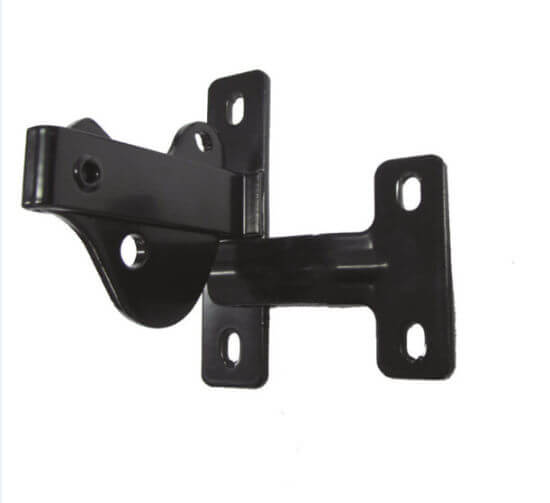
D-Latch and Striker – BLACK
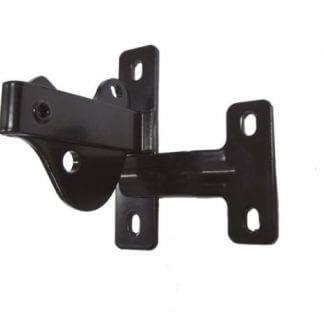
The D-Latch and Striker – BLACK is a pool-safe compliant gate latch for Australian residential and commercial pool fencing. This D latch meets Australian Standard AS 1926.1 requirements. It uses a child-resistant two-step release action. Young children cannot open it with a single hand motion, making it a critical safety component on any pool gate.
The D latch mounts to the gate post and engages with the included striker. The striker keeps the gate firmly closed at all times. Black powder-coated aluminium construction resists corrosion, UV, and chlorine splash. The black finish suits black aluminium pool fencing panels and posts for a clean, coordinated look.
This pool latch and striker set suits pool gate installations in Queensland, New South Wales, Victoria, and all other states requiring AS 1926.1 compliant hardware. Browse the full range of pool fencing hardware at Discount Landscape Supplies, including hinges, caps, and fence panels.
- AS 1926.1 compliant pool latch and striker for pool gates
- Child-resistant two-step release mechanism for pool safety compliance
- Black powder-coated aluminium — resists corrosion, UV, and chlorine
- Suitable for residential and commercial pool gate installations
- Includes matching striker for consistent, positive gate closure
- Complements black aluminium pool fencing panels and posts
Why Choose a D Latch for Pool Safety?
First and foremost, this pool gate latch provides the two-step child-resistant release required under Australian pool safety standards. Furthermore, the striker ensures the gate closes and latches fully every time without the risk of the gate remaining ajar. As a result, pool owners stay legally compliant and actively protect young children. In addition, the black powder coat resists the chlorine splash and UV exposure that corrodes standard metal latches quickly. According to the Queensland Pool Safety guidelines, all pool gates must use AS 1926.1 compliant latches.
Tips for Installing a Pool Gate Latch
Before installation, confirm the gate post and gate leaf are correctly aligned. Then, mount the latch housing at the height the AS 1926.1 standard specifies. In addition, adjust the striker position until the latch engages positively and closes with a firm, audible click. Finally, test the child-resistant action — the gate should not open with a single-hand upward motion alone.
Reviews
There are no reviews yet.