
Wire & Joiners
Shop our range of electric fence wire and joiners — galvanised and stainless steel conductor wires, connection joiners, splices and accessories for electric fencing systems on farms, rural properties and livestock operations across Australia.
-

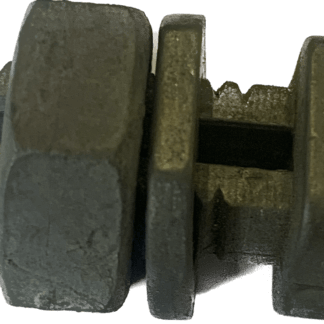
Split Bolt Wire Clamp – Thunderbird EF-13 Heavy Duty Wire Joiner
Sale! Original price was: $2.50.$2.00Current price is: $2.00.Add to cart -
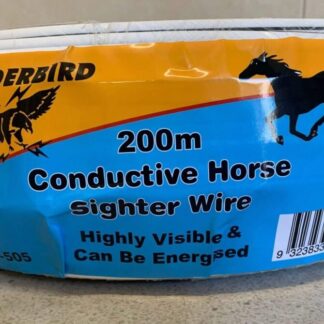
Thunderbird EF-505 Conductive Equine Horse Sighter Wire 200m
Sale! Original price was: $334.91.$315.00Current price is: $315.00.Read more -

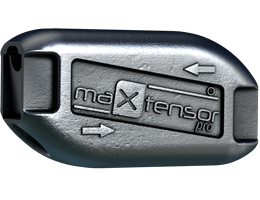
Max Tensor Medium Wire Joiner -1.8mm – 3.2mm
$2.80Read more -
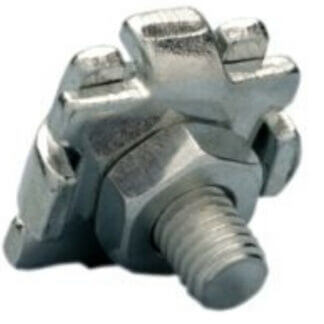
Thunderbird EF-13S Premium Wire Joint Clamp H/D
Sale! Original price was: $2.50.$2.20Current price is: $2.20.Add to cart -
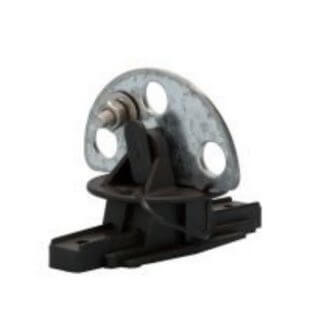
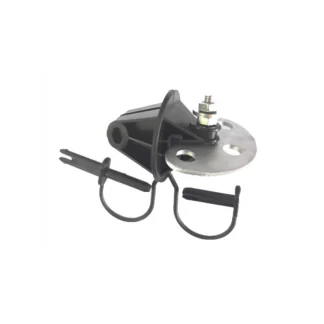
Thunderbird EF-34B Gate Anchor / Activator (Wood Post)
Sale! Original price was: $8.82.$8.00Current price is: $8.00.Add to cart -
Thunderbird EF-34BS Gate Activator – Anchor (Steel Post)
Sale! Original price was: $9.92.$8.00Current price is: $8.00.Add to cart -
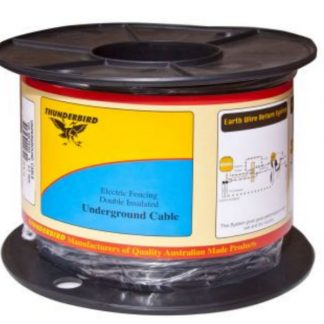
Thunderbird Underground Cable 2.5mm Double Insulated
Sale! Price range: $55.00 through $400.00Select options This product has multiple variants. The options may be chosen on the product page -
Buy Medium Tensile Fencing Wire
Sale! Price range: $95.00 through $215.00Select options This product has multiple variants. The options may be chosen on the product page
Electric Fence Wire & Joiners — Buying Guide
Types of Electric Fence Wire
Electric fencing wire is the conductor that carries the energiser pulse along the fence line. Selecting the right wire type for your application is essential for effective electric fencing performance. The main wire types used in Australian electric fencing include:
- Hard-drawn galvanised wire (plain wire) — the most cost-effective conductor for standard electric fence lines; available in multiple gauges; provides good conductivity over medium fence lengths
- High-tensile plain wire — stronger and lighter than soft wire; used for longer fence spans with fewer posts; the preferred choice for large-scale permanent electric fencing
- Stainless steel wire — used in combination with energiser leads and for permanent electric fence components near water and in high-moisture areas; excellent long-term conductivity
- Polywire, polytape and polyrope — plastic filaments with embedded stainless steel strands; lightweight and highly visible; ideal for temporary and portable electric fencing
Wire Joiners and Connection Accessories
Reliable connections are critical in electric fencing — a poor join creates a high-resistance point that reduces the pulse across the entire fence. Key joiner types include: compression joiners (for joining wires end-to-end), in-line joiners, twist lock joiners for polywire and polytape, and bolt-type joiners for permanent fence terminals. Always use the correct joiner type for the specific wire being connected.
Wire Gauge Selection Guide
The correct wire gauge depends on fence length, number of wires and available energiser output. Thicker gauge wire has lower electrical resistance and is better for long fence runs. For runs exceeding 2km per line, use heavy-gauge wire (2.5mm or thicker). For shorter runs, standard 2.0mm or 2.24mm wire is adequate. High-tensile wire of the same gauge has significantly lower resistance than soft wire.
Frequently Asked Questions
How do I join electric fence wire?
Use the appropriate compression or twist joiner for the wire type. For plain wire, a compression sleeve or figure-eight join are common. For polywire, use dedicated inline polywire joiners — twisting alone is not reliable for high-voltage pulse conductivity.
Can I use barbed wire as an electric fence conductor?
Barbed wire can technically carry an electric current, but it is not recommended due to the risk of short circuits where the barbs contact vegetation or posts, and the hazard to animals and handlers when the wire carries voltage.
Order Electric Fence Wire & Joiners Online — Australia-Wide Delivery
Order online for fast dispatch. We supply farmers, rural property owners and electric fence contractors across Australia. Contact us for advice on wire selection for your fence.