
Cattle
Shop our range of cattle fencing — heavy-duty wire mesh, plain wire, high-tensile fencing and electric systems designed for reliable cattle containment on Australian farms, stations and pastoral properties.
-

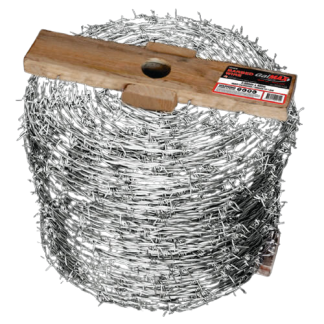
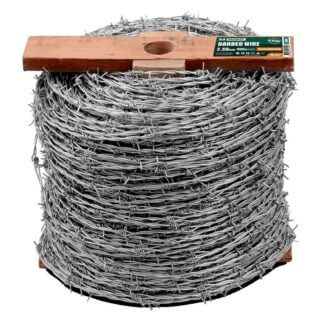
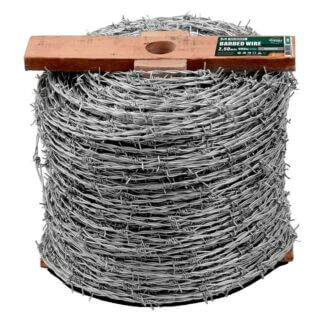
GALMAX BARBED WIRE IOWA 2.50mm X 400m HEAVY GAL Aus Made
Sale! Original price was: $197.99.$175.00Current price is: $175.00.Add to cart -
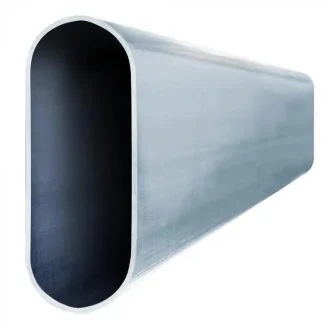
Galvanised Oval Cattle Rail 6100mm – 115 x 42 x 2.0mm Heavy Duty Stockyard Rail
Sale! Original price was: $95.00.$80.00Current price is: $80.00.Add to cart -
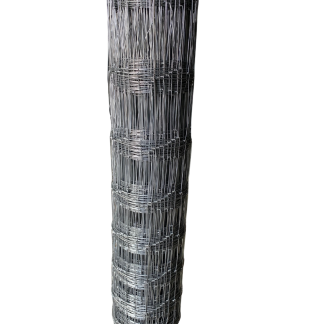
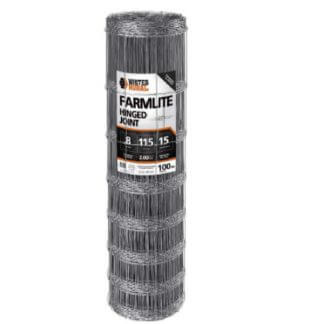
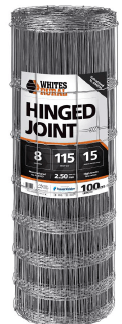
Hinge Joint Fence 8/115/15 x 100m – 2.00mm Galvanised Stock Fence
Sale! Original price was: $199.95.$175.00Current price is: $175.00.Add to cart -
Round Bale Feeder – 2 piece on ground
Sale! Original price was: $595.00.$385.00Current price is: $385.00.Read more -
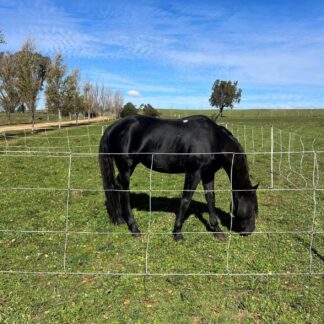
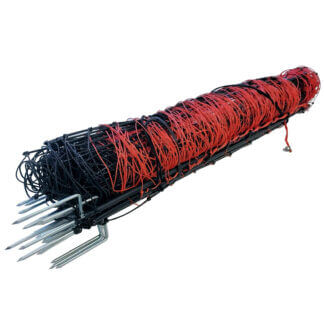
Thunderbird EF-H&CNET – Horse and Cattle Electric Netting – 1200mm high x 30m
Sale! Original price was: $325.00.$250.00Current price is: $250.00.Add to cart -
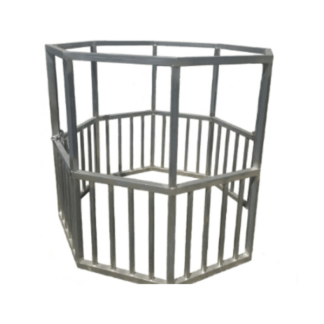
Thunderbird CATTLE BUNDLE – includes Scales, NLIS Tag Reader and Galvanised Cattle Platform
Sale! Original price was: $5,206.20.$4,650.00Current price is: $4,650.00.Add to cart -
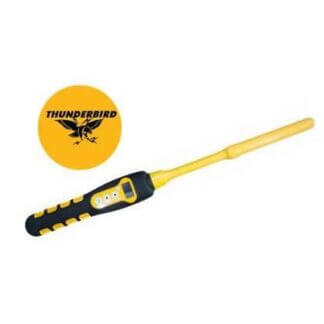
Thunderbird Hand Held HR EID Tag Reader 65cm Scanner
Sale! Original price was: $1,233.36.$1,100.00Current price is: $1,100.00.Add to cart -
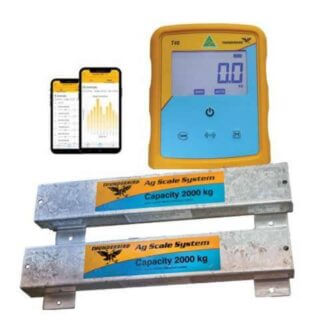
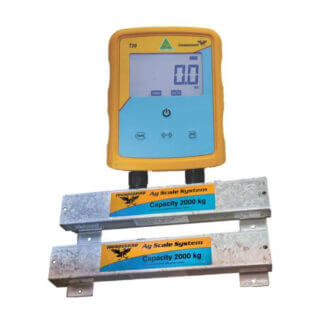
Thunderbird T40 Livestock Weigh Scales with Indicator + 2000kg Load Bars
Sale! Original price was: $2,369.00.$2,175.00Current price is: $2,175.00.Add to cart -
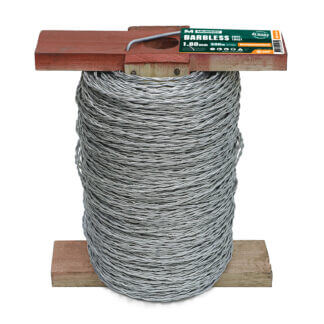
Murray Safe Twist Barbless Wire Roll 1.80mm X 500m (High Tensile, Heavy Gal)
Sale! Original price was: $169.99.$155.00Current price is: $155.00.Add to cart -
Thunderbird T20 Livestock Cattle Scales with Indicator and 2000kg Load Bars
Sale! Original price was: $1,890.00.$1,650.00Current price is: $1,650.00.Add to cart -
Thundernet Electric Netting – Thunderbird EF-SGCNET ( Sheep / Goat / Calf )
Sale! Original price was: $567.00.$350.00Current price is: $350.00.Add to cart -
HINGED JOINT / HINGE KNOT FOR FENCE CONSTRUCTION
Sale! Original price was: $210.99.$185.00Current price is: $185.00.Read more -
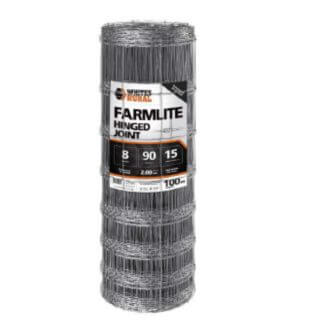
HINGED FENCING JOINT – FARMLITE 8/90/15
Sale! Original price was: $207.99.$200.00Current price is: $200.00.Add to cart -

Hinged Joint – 8/115/15
Sale! Original price was: $371.99.$360.00Current price is: $360.00.Read more -
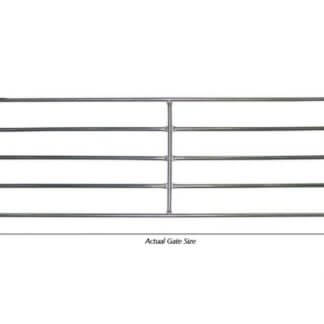
5 Bar Rural Farm Gates – Heavy Duty Galvanised Livestock Gates (4ft–16ft)
Sale! Price range: $85.00 through $225.00Select options This product has multiple variants. The options may be chosen on the product page -
Barbed Wire Roll for Razor Wire Fence Applications – 1.8mm x 500m High Tensile Heavy Galvanised
Sale! Original price was: $164.99.$150.00Current price is: $150.00.Add to cart -
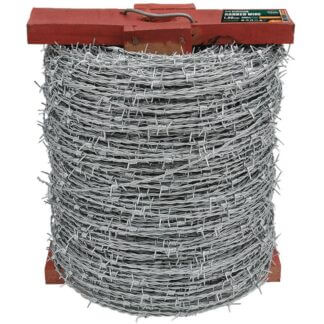
Murray Barbed Wire Roll – 2.5mm x 400m IOWA Heavy Galvanised
Sale! Original price was: $197.99.$185.00Current price is: $185.00.Add to cart -
Murray Barbed Wire Roll – 2.5mm x 400m IOWA Standard Galvanised
Sale! Original price was: $188.99.$175.00Current price is: $175.00.Add to cart

Cattle Fencing — Buying Guide
Cattle Fencing Requirements
Cattle are large, powerful animals that can apply significant force to fence lines — particularly at watering points, feed areas and gates where animals congregate in numbers. Effective cattle fencing must be strong enough to withstand sustained pressure, tall enough to prevent cattle from reaching over, and constructed with the correct wire specifications for long-term service in Australian conditions.
Types of Cattle Fencing
- Plain wire fencing — traditional multi-strand plain wire fencing; the most economical option for large-scale cattle boundary fencing on extensive properties
- High-tensile wire fencing — stronger and lighter than soft wire; allows wider post spacing for reduced material and labour costs on large properties
- Hinge joint mesh — woven wire mesh with graduated horizontal spacing; popular for cattle properties that also run sheep or smaller livestock
- Electric fencing — electrified strands added to existing fences or as standalone temporary divisions for rotational grazing management
- Barbed wire — used as deterrent top wires on cattle fences to prevent animals from leaning over the top wire
Recommended Fence Heights and Specifications
For standard cattle boundary fencing, a minimum height of 1050mm (5 or 6 wire fence) is typical for beef cattle. Dairy cattle and stud cattle fencing should be 1200mm or higher. For rotational grazing subdivisions, lower electric fencing of 900mm with appropriate energiser output is common. Top barbed wire is standard on many Australian cattle fences to prevent fence-top pressure.
High-Pressure Areas
Water troughs, feeders, holding yards and loading ramps require heavier fencing than open paddock boundaries. Use ring lock or welded mesh in these areas, with heavier gauge and closer post spacing. Electric fence outriggers or “hot” wires near water points can reduce fence damage by preventing cattle from pushing on the fence.
Frequently Asked Questions
How many wires do I need for a cattle fence?
A standard 5-wire plain wire fence (with barbed top wire) is the minimum for beef cattle. For bull paddocks or high-pressure areas, 6–7 wires with heavier gauge is recommended.
Can electric fencing contain bulls?
A properly charged electric fence with sufficient output (5+ joules) can effectively deter bulls. However, a robust permanent fence as the outer barrier is strongly recommended — never rely solely on electric fencing for bull containment.
Order Cattle Fencing Online — Australia-Wide Delivery
Order online for fast dispatch across Australia. Contact us for advice on wire type, gauge and quantities for your cattle property. We supply beef and dairy farmers nationwide.