
Chicken
Shop our range of chicken fencing — wire mesh, netting and enclosure systems designed to safely contain poultry and protect backyard chickens, ducks and geese from predators including foxes, dogs and birds of prey.
-

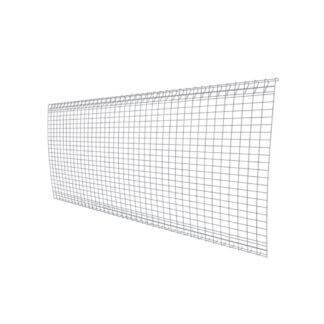
ACACIA PANEL – 2400mm x 900mm x 4mm Galvanised Rolled Top Mesh Fencing Panel
Sale! Original price was: $80.00.$70.00Current price is: $70.00.Read more -
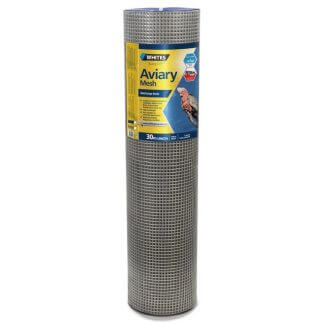
Aviary Mesh 120cm x 12.5mm x 12.5mm x 0.8mm x 30m
Sale! Original price was: $198.00.$180.00Current price is: $180.00.Read more -
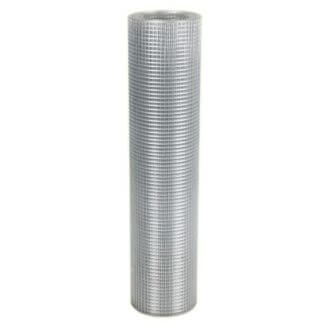
Aviary Bird Mesh 12.7mm x 12.7mm Suitable for Various Applications
Sale! Price range: $115.00 through $400.00Select options This product has multiple variants. The options may be chosen on the product page -
Snake and Mouse Mesh 6.5mm x 6.5mm
Sale! Price range: $50.00 through $225.00Select options This product has multiple variants. The options may be chosen on the product page -
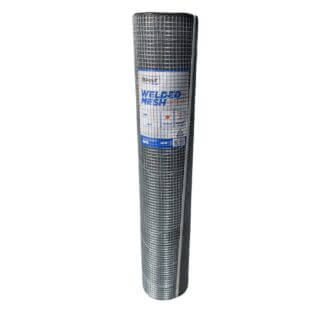
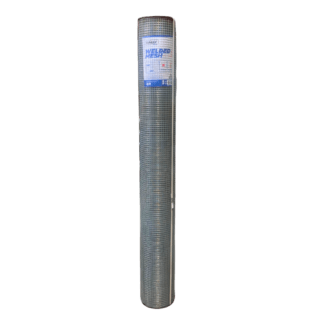
Galvanised Welded Mesh Panel 2400mm x 1200mm – Various Sizes | SEQ
Sale! $40.00Select options This product has multiple variants. The options may be chosen on the product page -
Aviary Mesh 180cm x 12.5mm x 12.5mm x 0.8mm x 30m
Sale! Original price was: $349.95.$275.00Current price is: $275.00.Add to cart -
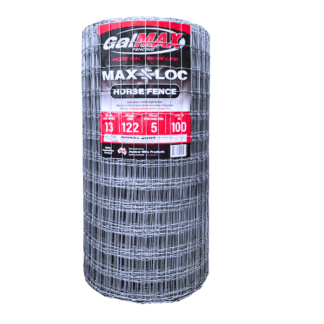
GALMAX MAXLOC HORSE FENCE 13-122-5 x 100m x 2.5mm HG
Sale! Original price was: $1,055.95.$990.00Current price is: $990.00.Add to cart -
Galvanised Heavy Rabbit Netting – 1200mm x 40mm hex x 1.4mm x 50m
Sale! Original price was: $319.95.$250.00Current price is: $250.00.Add to cart -
Galvanised Heavy Rabbit Netting – 1800mm x 40mm hex x 1.4mm x 50m
Sale! Original price was: $449.95.$385.00Current price is: $385.00.Add to cart -
Galvanised Heavy Rabbit Netting – 300mm x 40mm hex x 1.4mm x 50m
Sale! Original price was: $89.95.$70.00Current price is: $70.00.Add to cart -
Galvanised Heavy Rabbit Netting – 600mm x 40mm hex x 1.4mm x 50m
Sale! Original price was: $179.95.$140.00Current price is: $140.00.Add to cart -
Galvanised Heavy Rabbit Netting – 900mm x 40mm hex x 1.4mm x 50m
Sale! Original price was: $239.95.$185.00Current price is: $185.00.Add to cart -
Equine Mesh 13-120-5 – 120cm x 50m x 2.5mm Horse Fencing
Sale! Original price was: $495.00.$350.00Current price is: $350.00.Add to cart -
Equine Horse Mesh 16-150-5 x 50m – 1500mm High Galvanised Horse & Animal Fencing
Sale! Original price was: $575.00.$495.00Current price is: $495.00.Add to cart -
Chicken Netting & General Animal Netting
Sale! Original price was: $302.99.$275.00Current price is: $275.00.Add to cart -
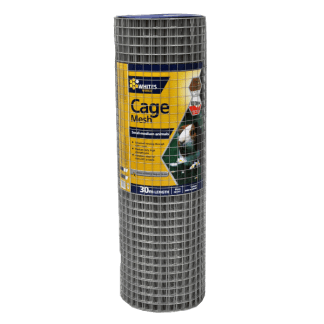
Rabbit, Hamster & Guinea Pig Cage Mesh – 1.24mm x 25mm x 25mm
Sale! Price range: $140.00 through $300.00Select options This product has multiple variants. The options may be chosen on the product page -
Buy Multi-Purpose Project Mesh 2.00mm
Sale! Price range: $70.00 through $400.00Select options This product has multiple variants. The options may be chosen on the product page -
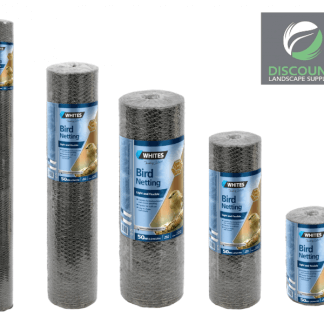
Bird Netting for Sale – Hex Mesh Bird Wire 13mm
Sale! Price range: $55.00 through $250.00Select options This product has multiple variants. The options may be chosen on the product page -
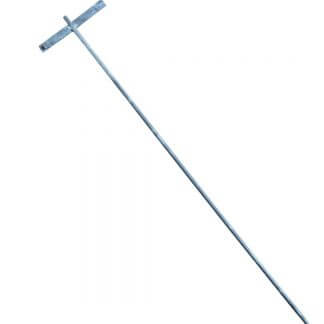
Earth Rod for Electric Fence
Sale! Original price was: $18.00.$16.50Current price is: $16.50.Add to cart -
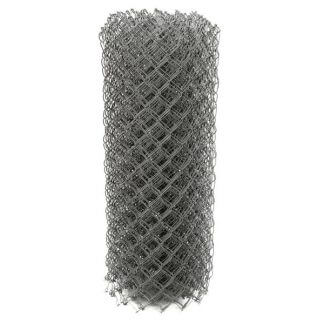
Galvanised and Australian Made Chain Mesh for Sale
Price range: $85.00 through $155.00Select options This product has multiple variants. The options may be chosen on the product page -
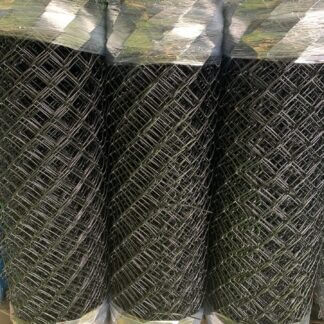
Black PVC Chain Wire Mesh for Sale – Australian Made
Price range: $100.00 through $180.00Select options This product has multiple variants. The options may be chosen on the product page -
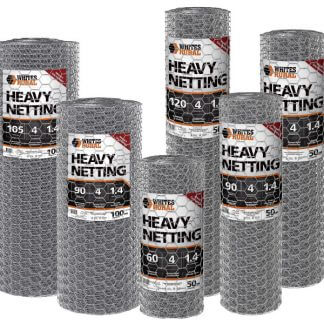
BUY HEAVY RURAL NETTING 40mm Hex x 1.4mm Heavy Galvanised
Sale! Price range: $80.00 through $425.00Select options This product has multiple variants. The options may be chosen on the product page -

Buy Electric Poultry Netting – Thunderbird 106cm x 50m
Sale! Original price was: $621.60.$385.00Current price is: $385.00.Add to cart -
Buy Hex Mesh Chicken Wire Netting
Sale! Price range: $65.00 through $125.00Select options This product has multiple variants. The options may be chosen on the product page

Chicken Fencing — Buying Guide for Poultry Keepers
Choosing the Right Chicken Fence
Effective chicken fencing serves two purposes: keeping your chickens in and keeping predators out. The biggest threats to backyard poultry in Australia are foxes, dogs, snakes and aerial predators (hawks and eagles). Your fencing selection should address all relevant threats for your location. A simple hexagonal wire (chicken wire) fence may be adequate in predator-light urban areas, while rural and semi-rural keepers typically need heavier-gauge welded mesh with buried skirts and possibly an overhead net or roof.
Types of Chicken Fencing
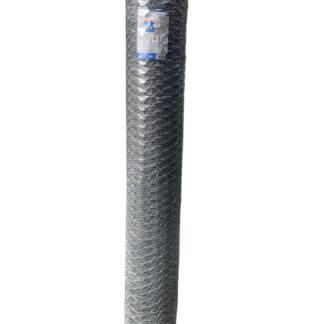
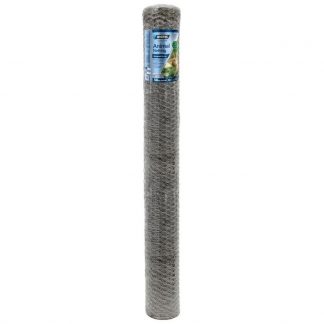
- Hexagonal wire netting (chicken wire) — lightweight, economical netting with hexagonal apertures; suitable for low-risk environments but can be pushed through by persistent foxes
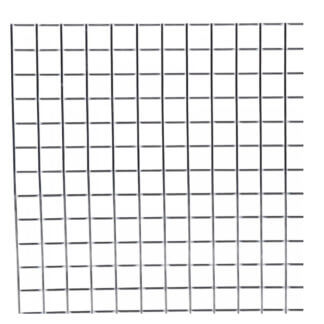
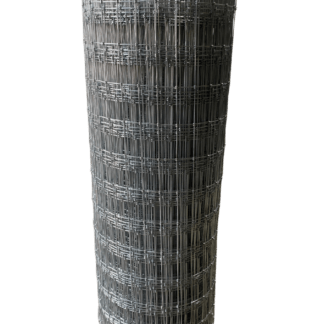
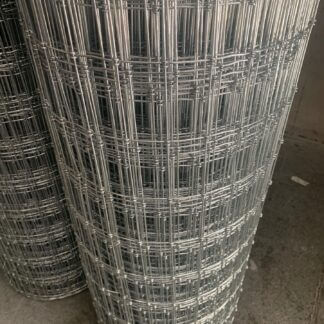
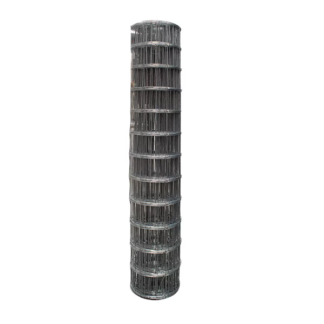
- Welded mesh — rigid and strong, with uniform square apertures that resist predator attempts; ideal for permanent coops and runs
- Aviary mesh — heavy-duty welded or chain wire mesh for completely enclosed runs including roof panels
- Electric poultry netting — moveable electrified netting that deters foxes and dogs; popular for free-range chicken management
- Square welded mesh panels — rigid panels for building permanent secure enclosures and walk-in runs
Key Specifications for Poultry Fencing
For standard chicken enclosures, use welded mesh or hexagonal wire with a maximum aperture of 50mm x 50mm to prevent snakes and small predators from entering. Bury the mesh at least 150mm underground to discourage digging predators, or fold it outward 300mm at ground level and peg it down. For areas with significant snake pressure, use finer aperture mesh (25mm or less). Minimum recommended fence height is 1200mm, with a roof or overhang for fox-proof enclosures.
Installation Tips
Frame your chicken run with treated pine or galvanised steel posts and use quality galvanised mesh to maximise longevity. Secure all joins and edges — foxes will find any weak point. Add a self-latching gate and consider an automatic door for the coop if birds free-range during the day. Check regularly for signs of digging around the fence perimeter.
Frequently Asked Questions
Is chicken wire strong enough to keep foxes out?
Standard hexagonal chicken wire is light-gauge and can be pushed, bitten or pulled through by a determined fox. For fox-proof enclosures, upgrade to welded mesh (14 gauge or heavier) with buried skirts.
What mesh aperture is safe for baby chicks?
For chicks, use mesh with an aperture no larger than 13mm x 13mm to prevent them squeezing through gaps and to exclude snakes and small predators.
Do I need a roof on my chicken run?
A roof is strongly recommended in areas with aerial predators (hawks, eagles) and is essential for a fully fox-proof enclosure. Welded mesh or aviary mesh can be used overhead.
Order Chicken Fencing Online — Australia-Wide Delivery
Order online for fast dispatch, or contact us for advice on the best fencing solution for your chicken enclosure. We supply backyard poultry keepers, farms and rural properties across Australia.