
Sheep
Shop our range of sheep fencing — hinge joint mesh, ring lock, plain wire and specialised netting designed for reliable, cost-effective sheep containment on Australian farms, pastoral properties and hobby farms.
-

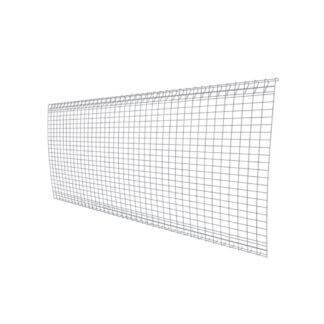
ACACIA PANEL – 2400mm x 900mm x 4mm Galvanised Rolled Top Mesh Fencing Panel
Sale! Original price was: $80.00.$70.00Current price is: $70.00.Read more -
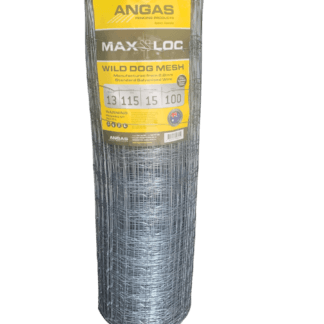
ANGAS MAXLOC WILD DOG – 13/115/15 x 100m 2.5mm T/B
Sale! Original price was: $351.63.$295.00Current price is: $295.00.Add to cart -
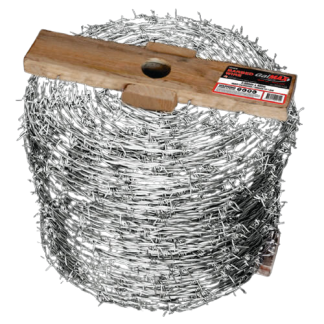
GALMAX BARBED WIRE IOWA 2.50mm X 400m HEAVY GAL Aus Made
Sale! Original price was: $197.99.$175.00Current price is: $175.00.Add to cart -
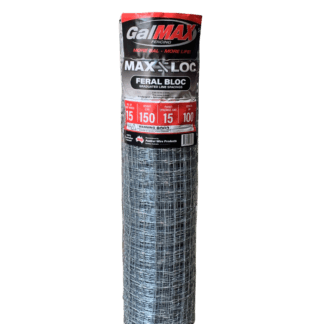
GALMAX MAXLOC FERAL BLOC 15/150/15 x 100m x 2.5mm Heavy Gal
Sale! Original price was: $592.69.$525.00Current price is: $525.00.Add to cart -
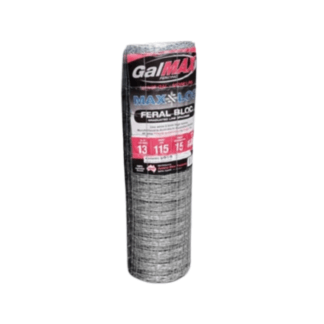
GALMAX MAXLOC FERAL BLOC EXCLUSION FENCING WIRE – 13/115/15 x 100m 2.5mm Heavy Gal
Sale! Original price was: $470.58.$440.00Current price is: $440.00.Add to cart -
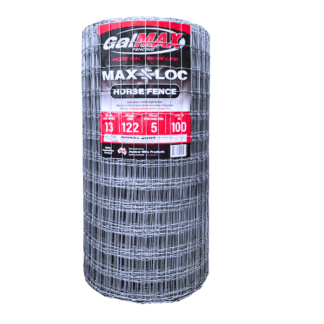
GALMAX MAXLOC HORSE FENCE 13-122-5 x 100m x 2.5mm HG
Sale! Original price was: $1,055.95.$990.00Current price is: $990.00.Add to cart -
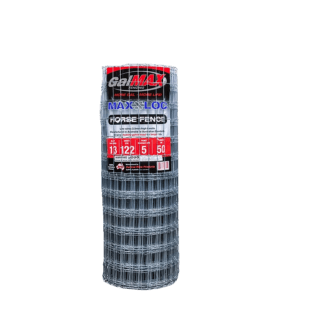
GALMAX MAXLOC HORSE FENCE 13-122-5 x 50m x 2.5mm HG
Sale! Original price was: $579.95.$525.00Current price is: $525.00.Add to cart -
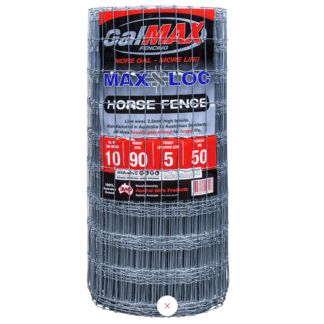
Galmax Maxloc Horse Fence – 10/90/5 High Tensile Mesh 2.5mm (50m Roll)
Sale! Original price was: $429.95.$395.00Current price is: $395.00.Add to cart -
Hinge Joint Fence 8/115/15 x 100m – 2.00mm Galvanised Stock Fence
Sale! Original price was: $199.95.$175.00Current price is: $175.00.Add to cart -
Hinge Joint Wire 8/115/15 x 100m x 2.50mm
Sale! Original price was: $350.00.$295.00Current price is: $295.00.Add to cart -
Stiff Stay Exclusion Field Fence 12/115/15 x 200m 2.5mm
$660.00Add to cart -
Stiff Stay Field Fence 13/120/10 x 2.5mm x 100m STD GAL
Sale! Original price was: $550.00.$425.00Current price is: $425.00.Read more -
Stiff Stay Field Fence 13/120/10 x 2.5mm x 50m
Sale! Original price was: $299.00.$225.00Current price is: $225.00.Add to cart -
Stiff Stay Field Fence 12/115/15 x 2.5mm x 100m
Sale! Original price was: $395.00.$330.00Current price is: $330.00.Read more -
Equine Horse Mesh 10-90-5 x 50m – 900mm High Galvanised Horse & Animal Fencing
Select options This product has multiple variants. The options may be chosen on the product page -
Equine Mesh 13-120-5 – 120cm x 50m x 2.5mm Horse Fencing
Sale! Original price was: $495.00.$350.00Current price is: $350.00.Add to cart -
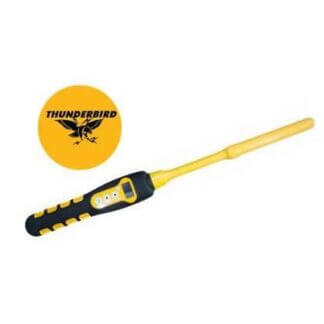
Thunderbird Hand Held HR EID Tag Reader 65cm Scanner
Sale! Original price was: $1,233.36.$1,100.00Current price is: $1,100.00.Add to cart -
Hinge Joint Fencing Wire for Sale 8/115/15 x 50m x 2.00mm
Sale! Original price was: $129.95.$125.00Current price is: $125.00.Read more -
Hinge Joint Wire 8/115/15 x 100m x 2.00mm
$199.95Read more -
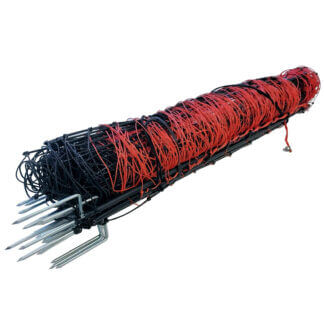
Thundernet Electric Netting – Thunderbird EF-SGCNET ( Sheep / Goat / Calf )
Sale! Original price was: $567.00.$350.00Current price is: $350.00.Add to cart -
HINGED JOINT / HINGE KNOT FOR FENCE CONSTRUCTION
$220.00Read more -
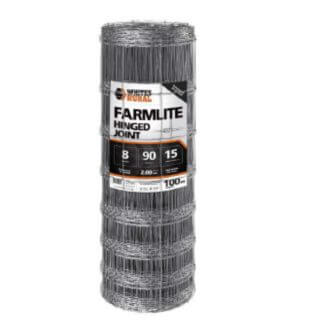
HINGED FENCING JOINT – FARMLITE 8/90/15
$220.00Add to cart -

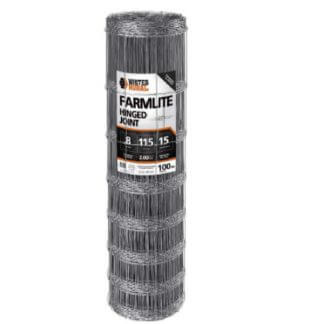
Hinged Joint – 8/115/15
Sale! Original price was: $371.99.$360.00Current price is: $360.00.Read more
Sheep Fencing — Buying Guide
Sheep Fencing Essentials
Sheep fencing must reliably contain sheep while withstanding the constant pressure of animals leaning, pushing and rubbing against the fence line. Unlike goats, sheep are generally not climbers, but they are persistent in finding gaps and weaknesses — particularly lambs and smaller breeds. A well-constructed sheep fence uses appropriate mesh aperture sizes, good post spacing and correct wire tensioning to provide years of maintenance-free containment.
Types of Sheep Fencing
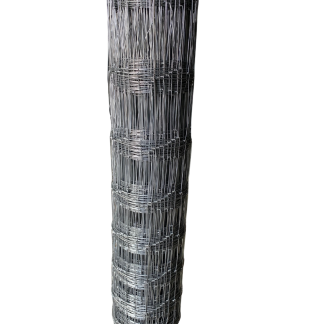
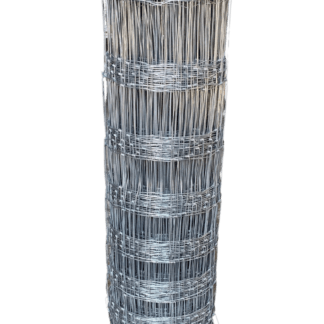
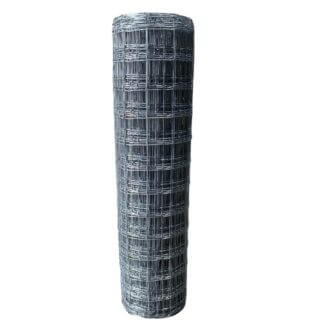
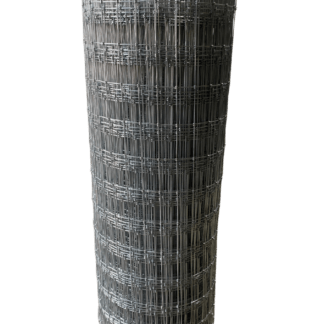
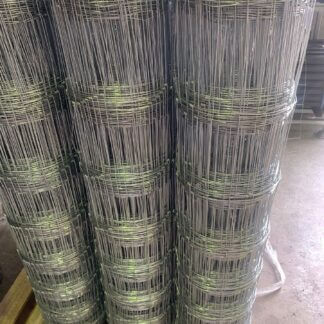
- Hinge joint mesh — the most common choice for sheep; graduated wire spacing with smaller gaps at the bottom to contain lambs and larger gaps at the top; available with and without stiff stays
- Ring lock mesh — strong, permanently locked knot construction for high-pressure sheep areas such as watering points and handling facilities
- Plain wire fencing — traditional multi-strand plain wire with barbed top wire; suitable for boundary fencing on large sheep stations where cost per kilometre is a priority
- Electrified netting — temporary electric netting for rotational grazing paddock management; cost-effective and highly moveable
Key Specifications for Sheep Fencing
For most sheep breeds, a fence height of 900mm–1050mm is adequate for standard containment. Where rams or Merinos that “wool up” are involved, 1200mm may be preferred. Aperture sizes at the bottom of the mesh should be 75mm–100mm to contain lambs, increasing toward the top for cost efficiency. Post spacing of 3–4 metres for wire mesh and 4–6 metres for plain wire fencing is standard in Australian conditions.
Managing Sheep Pressure Points
High-pressure areas such as water troughs, feeders and handling facilities require heavier-gauge and more robust fencing than open paddock boundaries. Use ring lock mesh, heavy-duty welded panels or additional plain wire lines at these locations to prevent fencing failure where sheep congregate in large numbers.
Frequently Asked Questions
What is the difference between hinge joint and ring lock mesh for sheep?
Both are suitable for sheep. Hinge joint mesh uses a sliding knot that allows some flex under pressure. Ring lock mesh uses a permanently locked knot that is more rigid and better suited to high-pressure locations such as watering points and yards.
Do I need barbed wire on a sheep fence?
A single strand of barbed wire at the top is commonly used on boundary sheep fences to prevent animals from leaning over. It is not appropriate where sheep may make sustained contact with the top wire.
Order Sheep Fencing Online — Australia-Wide Delivery
Order online for fast dispatch. We supply sheep graziers, wool producers and rural property owners across Australia. Contact us for advice on mesh selection and quantities for your property.