
Feral Fence
Shop our range of feral fence — heavy-duty wire mesh fencing specifically designed to exclude feral animals including feral pigs, foxes, rabbits, and other pest species from agricultural land, gardens, and conservation areas. Australia-wide delivery available.
-

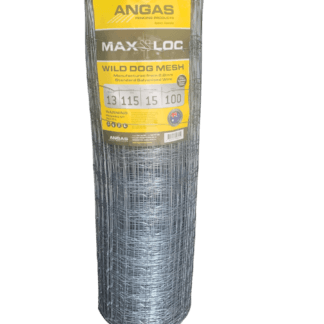
ANGAS MAXLOC WILD DOG – 13/115/15 x 100m 2.5mm T/B
Sale! Original price was: $351.63.$295.00Current price is: $295.00.Add to cart -
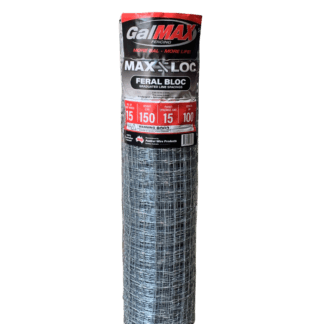
GALMAX MAXLOC FERAL BLOC 15/150/15 x 100m x 2.5mm Heavy Gal
Sale! Original price was: $592.69.$525.00Current price is: $525.00.Add to cart -
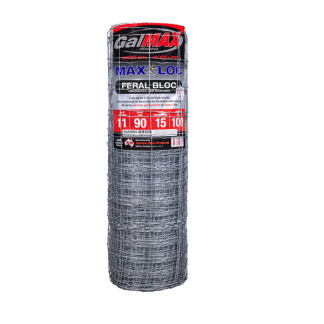
Galmax Maxloc Feral Bloc Exclusion Fence – 11/90/15 High Tensile Wire (100m Roll)
$395.00Add to cart -
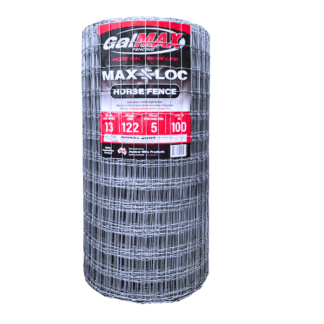
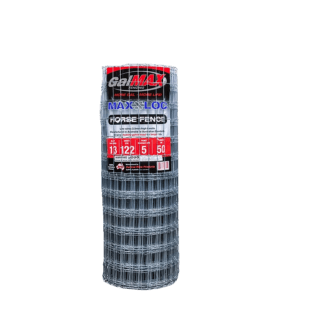
GALMAX MAXLOC HORSE FENCE 13-122-5 x 100m x 2.5mm HG
Sale! Original price was: $1,055.95.$990.00Current price is: $990.00.Add to cart -
GALMAX MAXLOC HORSE FENCE 13-122-5 x 50m x 2.5mm HG
Sale! Original price was: $579.95.$525.00Current price is: $525.00.Add to cart -
Galvanised Heavy Rabbit Netting – 300mm x 40mm hex x 1.4mm x 50m
Sale! Original price was: $89.95.$70.00Current price is: $70.00.Add to cart -
Galvanised Heavy Rabbit Netting – 600mm x 40mm hex x 1.4mm x 50m
Sale! Original price was: $179.95.$140.00Current price is: $140.00.Add to cart -
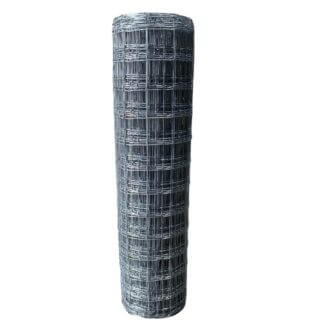
Stiff Stay Field Fence 13/120/10 x 2.5mm x 50m
Sale! Original price was: $299.00.$225.00Current price is: $225.00.Add to cart -
Equine Horse Mesh 10-90-5 x 50m – 900mm High Galvanised Horse & Animal Fencing
Select options This product has multiple variants. The options may be chosen on the product page -
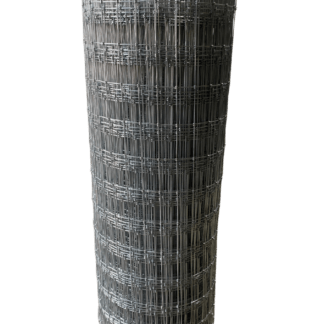
Equine Mesh 13-120-5 – 120cm x 50m x 2.5mm Horse Fencing
Sale! Original price was: $495.00.$350.00Current price is: $350.00.Add to cart
Feral Fence — Buying Guide
Feral animals cause billions of dollars of damage to Australian agriculture, native ecosystems, and rural properties each year. Feral pigs, foxes, rabbits, and feral cats pose serious threats to crops, livestock, native wildlife, and ground-nesting birds. A properly installed feral exclusion fence is one of the most effective long-term tools for protecting your land and assets from these pests.
What Is Feral Fence?
Feral fence (also known as vermin-proof fence or exclusion fence) is a heavy-duty wire mesh product specifically engineered to resist the pressure, burrowing, and persistence of feral animals. Unlike standard rural mesh, feral fence features tighter mesh spacing at the base to prevent rabbits and fox cubs from squeezing through, and is constructed from heavier gauge wire to resist the rooting and pushing of feral pigs.
Target Pest Species and Fence Requirements
- Feral pigs: Require heavy gauge fixed-knot or ring-lock mesh of at least 900mm height with the base pegged firmly to the ground. Consider an electric wire offset at 200mm and 400mm height for high-pressure pig areas — highly effective at deterring pigs from testing the fence
- Foxes: Require tight mesh openings (no larger than 50mm x 50mm) at the base, plus an underground skirt or outward apron to prevent digging underneath. An outward-angled overhang or electric wire at the top helps prevent climbing
- Rabbits: Require very tight mesh (25mm x 25mm or smaller) at the base extending at least 300mm underground to prevent burrowing. Rabbit-proof fencing is typically 900mm high with 300mm buried or folded outward underground
- Feral cats: Highly mobile and climbing-capable — require smooth mesh surfaces, outward-angled overhang sections, and tight mesh spacing throughout to be effective
Key Design Principles for Feral Exclusion Fencing
- Underground component: Most feral animals attempt to dig under fences. Burying the mesh base 300mm underground or laying an outward apron of mesh is critical for rabbit and fox exclusion
- Tight mesh at the base: Small-bodied feral animals can compress through surprisingly large openings. Use appropriately sized mesh at the base — 25mm for rabbits, 50mm for foxes
- Robust construction: Feral pigs exert enormous physical force on fences. Use heavier gauge wire and closely spaced posts (no more than 3m for pig pressure areas)
- Electric offsets: Electric wire at the appropriate height significantly enhances exclusion effectiveness for feral pigs and foxes — a cost-effective addition to any feral fence
Frequently Asked Questions
What is the most effective fencing for feral pigs?
Heavy gauge fixed-knot or ring-lock mesh of 900mm–1050mm height, with closely spaced posts, the base firmly pegged to the ground, and electric offset wires at 200mm and 400mm height is considered the gold standard for feral pig exclusion in Queensland.
How deep should rabbit-proof fencing be buried?
A minimum of 300mm underground, ideally with the buried section bent outward (away from the paddock) to further resist burrowing. Rabbits typically burrow straight down or at a slight angle — the outward bend exploits this behaviour to prevent entry.
Do you deliver feral fence products to South East Queensland?
Yes — we offer Australia-wide delivery including to Brisbane, the Sunshine Coast, and all of South East Queensland. Mesh rolls are delivered by pallet freight for large orders; contact us for a quote.
Order Feral Fence Online — Australia-Wide Delivery
Discount Landscape Supplies stocks feral exclusion fencing products suited to a wide range of pest species and property types. Order online or contact our expert team for advice on designing the most effective feral exclusion fence for your property and target pest species.