
Strainers & Spinners
Shop our range of wire strainers and spinners — essential fencing tools for tensioning plain wire, high-tensile wire and wire mesh during fence installation and maintenance on rural and commercial properties across Australia.
-

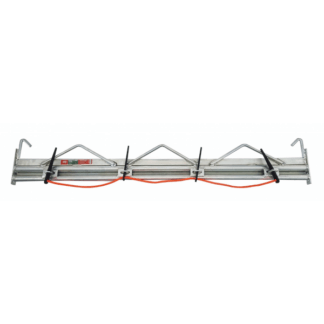
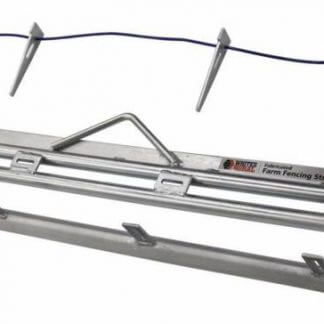
AWP Fabricated Fence Strainer 1250mm
Sale! Original price was: $250.00.$220.00Current price is: $220.00.Add to cart -
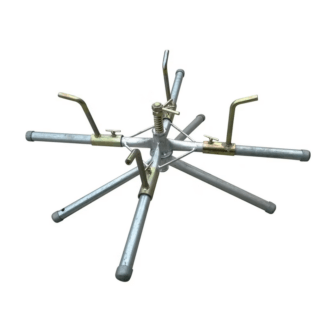
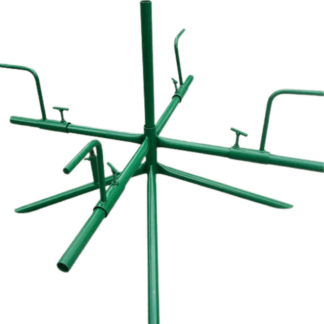
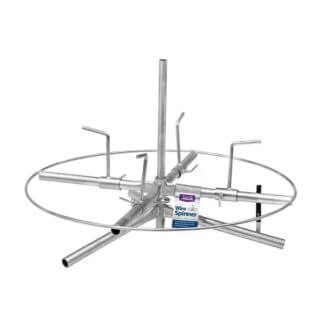
AWP Standard Wire Spinner
Sale! Original price was: $191.44.$150.00Current price is: $150.00.Add to cart -
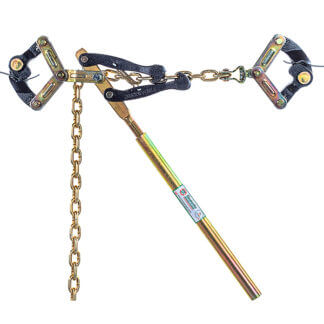
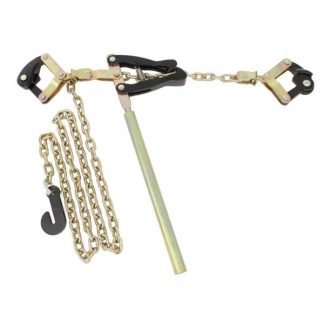
CONTRACTOR CHAIN STRAINER – RX2 STRAINRITE
$165.00Add to cart -
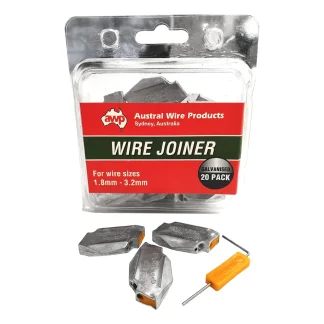
AWP FASTLINK WIRE JOINER 1.80MM – 3.20MM (PACK 20)
Sale! Original price was: $58.52.$50.00Current price is: $50.00.Add to cart -
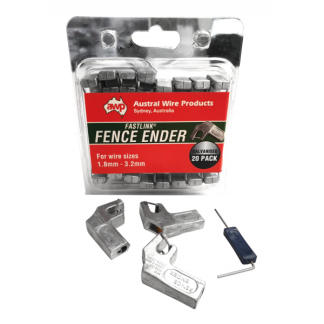
AWP FASTLINK WIRE JOINER FENCE ENDER (PACK 20)
Sale! Original price was: $62.80.$55.00Current price is: $55.00.Add to cart -
Wire Spinner with Barb Attachment
Sale! Original price was: $185.00.$125.00Current price is: $125.00.Add to cart -

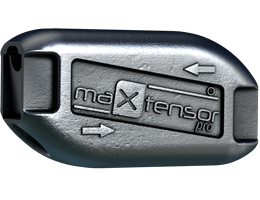
Max Tensor Medium Wire Joiner -1.8mm – 3.2mm
$2.80Read more -
Whites Rural Fabricated Fence Strainer 1600mm
$350.00Read more -
Whites Rural – Contractor Fence Chain Strainer
$165.00Add to cart -
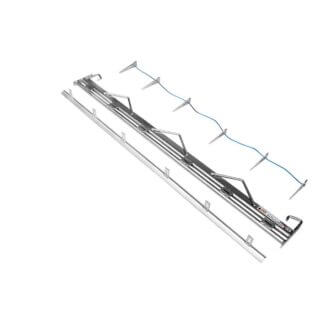
Whites Rural Fabricated Netting / Hinge Joint Fence Strainer
Sale! Original price was: $297.00.$250.00Current price is: $250.00.Read more -
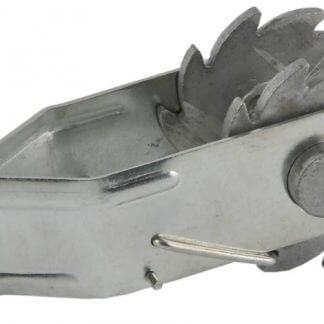
Permanent Wire Strainer – Single Ratchet Tensioner
$5.00Add to cart -
Permanent Fence Wire Strainers – Box 25 x Ratchet Tensioners
Sale! Original price was: $150.00.$110.00Current price is: $110.00.Add to cart -
Whites Fencing Wire Spinner with Barb Attachment
Sale! Original price was: $203.99.$200.00Current price is: $200.00.Read more -
Whites Rural – Three Way Fencing Wire Spinner
$250.00Read more -
Permanent Wire Strainer – Box 40 x Ratchet Tensioners
$200.00Read more
Wire Strainers & Spinners — Buying Guide
What Are Wire Strainers and Spinners?
Wire strainers and spinners are tensioning tools used to pull fencing wire to the correct tension between strainer posts. Correctly tensioned fencing wire is essential for a long-lasting, effective fence — slack wire sags, allows livestock to push through, and degrades faster. A wire strainer applies mechanical advantage to stretch and hold the wire at the correct tension while it is secured to the post. Spinners are used with contractor-grade fencing to spin the wire back tightly after cutting.
Types of Wire Strainers
- Chain-and-hook strainers (Gripple strainers) — the most common style; a ratchet mechanism with hooks at each end that grip the wire; suitable for plain wire and high-tensile wire
- Ratchet strainers — provide controlled, incremental tensioning via a ratchet mechanism; preferred for lighter wire and mesh where over-tensioning could cause damage
- Fence strainer/tensioner posts — lever-action posts used on steel star pickets to pre-tension mesh fencing before attaching
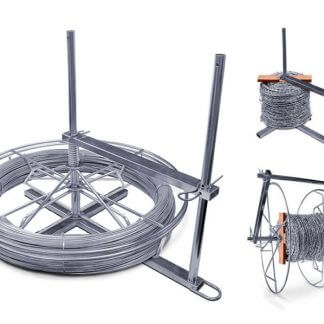
- Spinning jenny / wire unreelers — used to support and unreel rolls of wire during installation, allowing smooth pay-out without kinking
Selecting the Right Strainer for Your Application
Match the strainer to the wire type and gauge. High-tensile wire requires a robust chain-and-hook strainer capable of handling the greater tension loads. Lighter plain wire and soft wire can be handled with standard ratchet strainers. For mesh fencing such as hinge joint or ring lock, use a mesh strainer that grips across multiple wires evenly to prevent distortion of the mesh apertures.
Safe Use of Wire Strainers
Always wear safety glasses when tensioning wire — if a wire slips or breaks under tension, it can cause serious injury. Do not over-tension wire beyond the recommended specification for the wire gauge. Use appropriate anchor points and never stand in the direct line of tensioned wire. If in doubt, consult the wire manufacturer’s tensioning specifications.
Frequently Asked Questions
How tight should fencing wire be tensioned?
Wire should be tensioned firmly so it does not sag, but not so tight that it hums or vibrates significantly in the wind. Excessive tension can cause wire fatigue and post movement. Refer to the wire manufacturer’s recommendations for specific tension values.
How many strainers do I need for a fence run?
Typically two strainers per wire — one to pull the wire to tension and one to hold it while you tie off at the post. Having a spare strainer is also recommended for long fence runs.
Order Wire Strainers Online — Australia-Wide Delivery
Order online for fast dispatch across Australia. Contact our team for help selecting the right strainers and fencing tools for your project. We supply professional fencing contractors and rural property owners nationwide.