
Predator Fence / Feral Fencing / Exclusion Fencing
Shop our range of predator exclusion fencing, feral fencing and pest exclusion mesh — heavy-duty wire mesh and fencing systems designed to protect livestock, native wildlife, crops and properties from foxes, wild dogs, feral cats, rabbits, pigs and other pest animals across rural and semi-rural Australia.
-

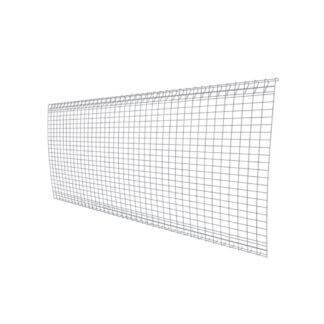
ACACIA PANEL – 2400mm x 900mm x 4mm Galvanised Rolled Top Mesh Fencing Panel
Sale! Original price was: $80.00.$70.00Current price is: $70.00.Read more -
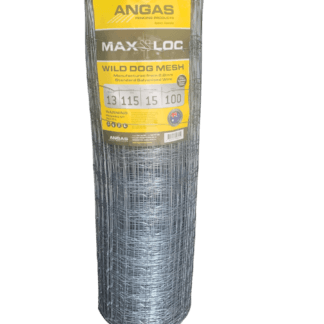
ANGAS MAXLOC WILD DOG – 13/115/15 x 100m 2.5mm T/B
Sale! Original price was: $351.63.$295.00Current price is: $295.00.Add to cart -
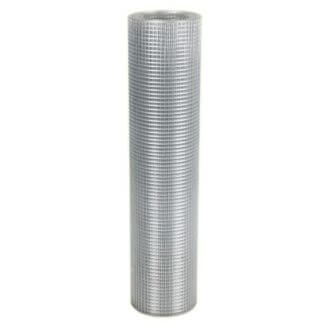
Snake and Mouse Mesh 6.5mm x 6.5mm
Sale! Price range: $50.00 through $200.00Select options This product has multiple variants. The options may be chosen on the product page -
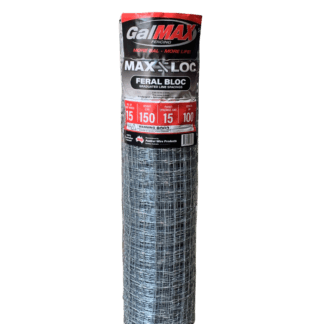
GALMAX MAXLOC FERAL BLOC 15/150/15 x 100m x 2.5mm Heavy Gal
Sale! Original price was: $592.69.$525.00Current price is: $525.00.Add to cart -
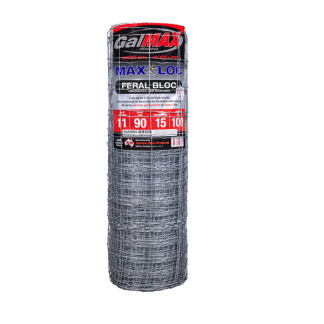
Galmax Maxloc Feral Bloc Exclusion Fence – 11/90/15 High Tensile Wire (100m Roll)
$395.00Add to cart -
GALMAX MAXLOC FERAL BLOC EXCLUSION FENCING WIRE – 13/115/15 x 100m 2.5mm Heavy Gal
Sale! Original price was: $470.58.$440.00Current price is: $440.00.Add to cart -
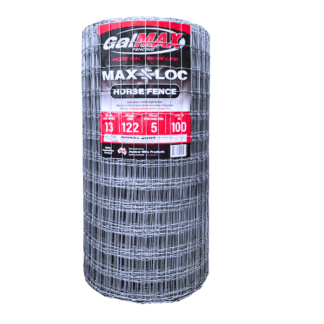
GALMAX MAXLOC HORSE FENCE 13-122-5 x 100m x 2.5mm HG
Sale! Original price was: $1,055.95.$990.00Current price is: $990.00.Add to cart -
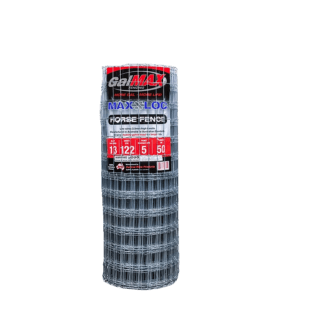
GALMAX MAXLOC HORSE FENCE 13-122-5 x 50m x 2.5mm HG
Sale! Original price was: $579.95.$525.00Current price is: $525.00.Add to cart -
Galvanised Heavy Rabbit Netting – 1800mm x 40mm hex x 1.4mm x 50m
Sale! Original price was: $449.95.$385.00Current price is: $385.00.Add to cart -
Galvanised Heavy Rabbit Netting – 300mm x 40mm hex x 1.4mm x 50m
Sale! Original price was: $89.95.$70.00Current price is: $70.00.Add to cart -
Galvanised Heavy Rabbit Netting – 600mm x 40mm hex x 1.4mm x 50m
Sale! Original price was: $179.95.$140.00Current price is: $140.00.Add to cart -
Galvanised Heavy Rabbit Netting – 900mm x 40mm hex x 1.4mm x 50m
Sale! Original price was: $239.95.$185.00Current price is: $185.00.Add to cart -
Stiff Stay Exclusion Field Fence 12/115/15 x 200m 2.5mm
$660.00Add to cart -
Stiff Stay Field Fence 13/120/10 x 2.5mm x 100m STD GAL
Sale! Original price was: $550.00.$425.00Current price is: $425.00.Read more -
Stiff Stay Field Fence 13/120/10 x 2.5mm x 50m
Sale! Original price was: $299.00.$225.00Current price is: $225.00.Add to cart -
Stiff Stay Field Fence 12/115/15 x 2.5mm x 100m
Sale! Original price was: $395.00.$330.00Current price is: $330.00.Read more -
Equine Horse Mesh 10-90-5 x 50m – 900mm High Galvanised Horse & Animal Fencing
Select options This product has multiple variants. The options may be chosen on the product page -
Equine Mesh 13-120-5 – 120cm x 50m x 2.5mm Horse Fencing
Sale! Original price was: $495.00.$350.00Current price is: $350.00.Add to cart -
Equine Horse Mesh 16-150-5 x 50m – 1500mm High Galvanised Horse & Animal Fencing
Sale! Original price was: $575.00.$495.00Current price is: $495.00.Add to cart -
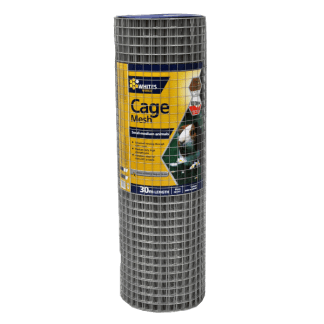
Rabbit, Hamster & Guinea Pig Cage Mesh – 1.24mm x 25mm x 25mm
Sale! Price range: $140.00 through $300.00Select options This product has multiple variants. The options may be chosen on the product page -
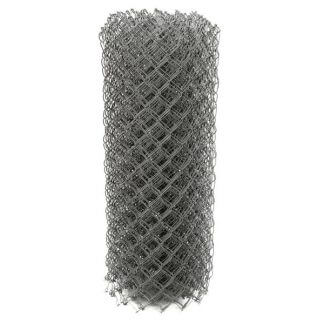
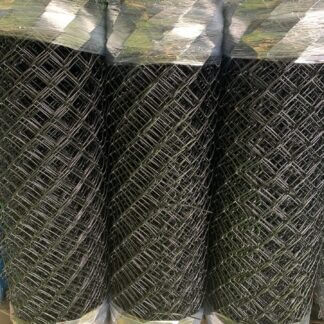
Galvanised and Australian Made Chain Mesh for Sale
Price range: $85.00 through $155.00Select options This product has multiple variants. The options may be chosen on the product page -
Black PVC Chain Wire Mesh for Sale – Australian Made
Price range: $100.00 through $180.00Select options This product has multiple variants. The options may be chosen on the product page -
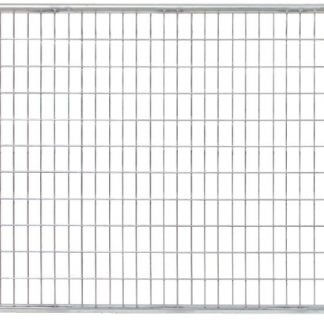
Horse Mesh Gates – 100mm x 50mm Mesh
Sale! Price range: $135.00 through $385.00Select options This product has multiple variants. The options may be chosen on the product page -
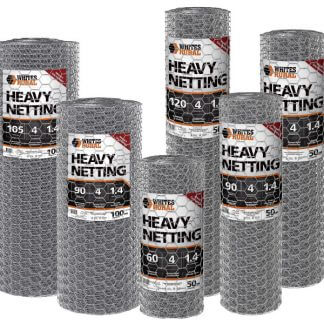
BUY HEAVY RURAL NETTING 40mm Hex x 1.4mm Heavy Galvanised
Sale! Price range: $80.00 through $425.00Select options This product has multiple variants. The options may be chosen on the product page
Predator Fence / Feral Fencing / Exclusion Fencing — Buying Guide
What Is Exclusion Fencing?
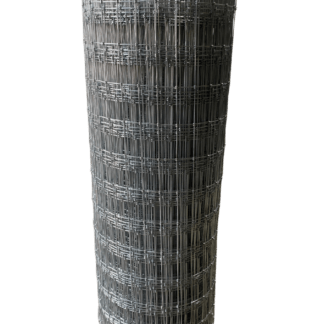
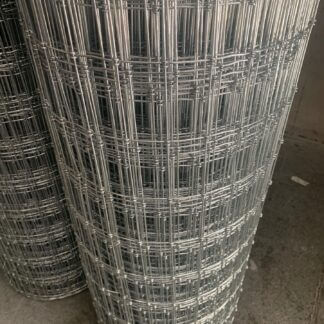
Exclusion fencing is a specialist agricultural and environmental fencing system designed to physically prevent pest animals from entering a protected area. Unlike standard rural fencing, exclusion fencing uses fine, rigid mesh with small apertures and buried or folded skirts at ground level to prevent animals from digging under the fence. It is used to protect sheep, poultry, ground-nesting birds, market gardens and conservation areas from predation by foxes, wild dogs, feral pigs, rabbits, feral cats and other declared pest species.
Common Applications
- Sheep and lamb protection — keep foxes and wild dogs away from vulnerable livestock
- Poultry and game bird enclosures — exclude foxes, snakes and feral cats
- Rabbit exclusion — protect market gardens, orchards and native revegetation plantings
- Wild dog / dingo fencing — safeguard cattle and sheep in remote pastoral areas
- Conservation fencing — protect threatened species and native animal colonies from pest predation
- Feral pig exclusion — protect crops, soils and watercourses from pig damage
Key Mesh Specifications for Exclusion Fencing
Effective exclusion fencing requires the right mesh aperture size for the target pest. Rabbit and vermin exclusion typically requires apertures of 25mm or less. Fox and feral cat exclusion requires finer mesh (up to 75mm aperture) combined with an outward-angled top overhang or electrified deterrent wire. Wild dog exclusion fencing uses larger mesh apertures but greater height and burial depth. Our team can advise on the right specification for your situation.
Installation Tips
The most critical installation detail for exclusion fencing is the ground interface. Wire mesh must be either buried to a depth of 150–300mm (depending on pest), folded outward at least 300mm at ground level, or combined with an electric outrigger wire. Post spacing and tension wire configuration should follow the manufacturer’s guidelines for the specific mesh being installed. For large-scale projects, professional installation is recommended.
Frequently Asked Questions
What is the difference between predator fencing and standard rural fencing?
Predator exclusion fencing uses smaller mesh apertures, buried skirts and tighter construction than standard rural fencing, specifically to prevent pest animals from entering or exiting the enclosed area.
Do I need a government permit for exclusion fencing?
Requirements vary by state. In some areas, grants are available for declared pest exclusion fencing. Contact your state’s agricultural department for information on permits and funding schemes.
How high should predator exclusion fencing be?
Height depends on the target species. Fox and wild dog exclusion fencing is typically 1800mm–2000mm high, while rabbit exclusion fencing is effective from 900mm above ground with appropriate buried skirts.
Order Exclusion Fencing Products Online — Australia-Wide
Order online for fast dispatch, or contact our team for expert advice on mesh selection, quantities and installation for your specific pest exclusion project. We supply graziers, farmers, conservation managers and government agencies across Australia.