
Electric Fence Testers
Shop our range of electric fence testers and voltmeters — essential diagnostic tools for testing electric fence voltage, fault-finding and ensuring your fence is delivering the correct pulse to effectively contain or exclude livestock and other animals.
-

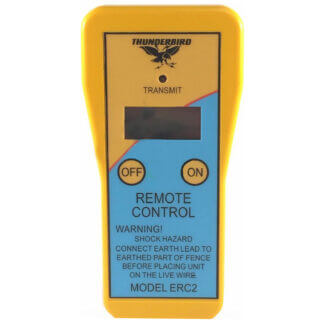
Thunderbird ERC-2 Remote Control / Volt Meter / Fault Finder
Sale! Original price was: $446.25.$385.00Current price is: $385.00.Add to cart -
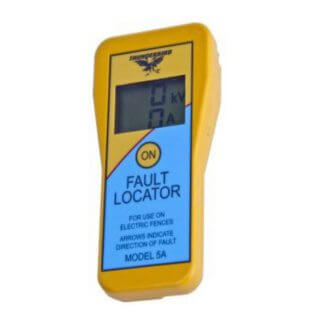
Thunderbird EF-5A Fault Locator / Fault Finder
Sale! Original price was: $286.65.$250.00Current price is: $250.00.Add to cart -
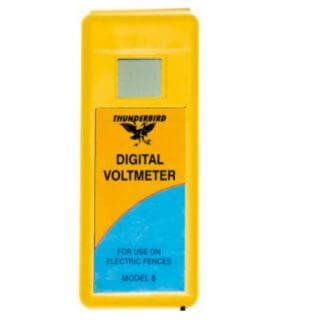
Thunderbird EF-8 Digital Volt Meter for Sale
Sale! Original price was: $120.75.$110.00Current price is: $110.00.Add to cart
Electric Fence Testers — Buying Guide
Why You Need an Electric Fence Tester
An electric fence is only effective if it is correctly charged. A fence that looks intact but delivers insufficient voltage may not deter animals at all — leaving you unaware of a containment failure until livestock are already out or predators are in. An electric fence tester lets you quickly verify fence voltage at any point along the fence line, identify fault locations where voltage is dropping, and confirm that the fence is performing as expected after installation or maintenance.
Types of Electric Fence Testers
- Simple neon testers — basic handheld testers that indicate whether voltage is present; give a go/no-go reading only; entry-level option suitable for occasional use
- Digital voltmeters (fence voltmeters) — display the actual fence voltage in kV (kilovolts); allow comparison between the energiser output and fence voltage at different points to identify voltage loss; the recommended choice for serious electric fencing
- Fault finders — advanced tools that indicate the direction of fence faults (broken wire, vegetation contact, insulator breakdown); invaluable for diagnosing faults on long or complex fence networks
Using a Fence Voltmeter
To use a digital fence voltmeter: insert the ground probe into the soil at the base of the fence post, touch the fence wire with the meter probe, and read the voltage displayed. A healthy electric fence should deliver at least 2,000–3,000 volts (2–3kV) for sheep and 4,000–6,000 volts (4–6kV) for cattle. Compare readings at multiple points to identify sections with voltage drop — the drop point indicates the location of the fault.
Fault Finding Tips
Common causes of voltage drop include: vegetation contact (grass and weeds touching the fence wire), broken or disconnected wire, failed insulators that are allowing current to leak to the post, and poor earth grounding. Walk the fence line with a digital voltmeter to identify where voltage changes significantly — the fault is typically between the last good reading and the first low reading.
Frequently Asked Questions
What voltage should my electric fence read?
At minimum, sheep fencing should read 2,000V and cattle fencing 4,000V at any point along the fence for effective containment. For wild dog exclusion, 6,000V or higher is recommended.
Can I use a regular voltage meter to test an electric fence?
No — standard multimeters cannot handle the high-voltage pulse of an electric fence and may be damaged. Always use a purpose-designed electric fence tester or voltmeter.
Order Electric Fence Testers Online — Australia-Wide Delivery
Order online for fast dispatch. We supply farmers, rural property owners and electric fence installers across Australia. A fence tester is a small investment that pays dividends in peace of mind.