
Feral Exclusion
Shop our range of feral animal exclusion fencing — purpose-designed mesh and fencing systems to exclude feral cats, rabbits, foxes, wild dogs, feral pigs and other invasive pest animals from livestock properties, conservation areas and agricultural land across Australia.
-

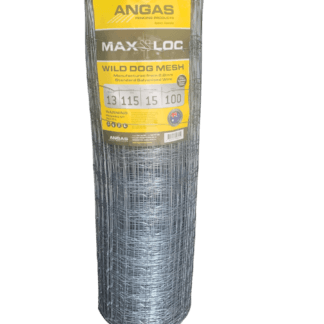
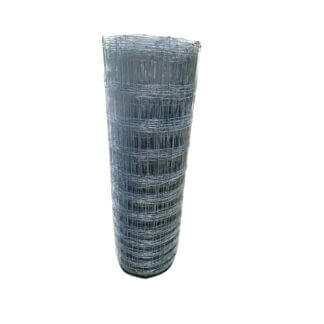
ANGAS MAXLOC WILD DOG – 13/115/15 x 100m 2.5mm T/B
Sale! Original price was: $351.63.$295.00Current price is: $295.00.Add to cart -
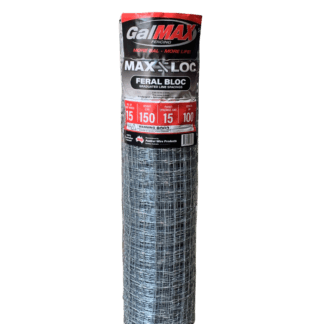
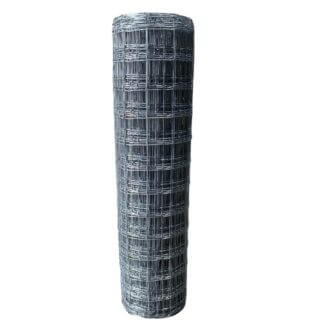
GALMAX MAXLOC FERAL BLOC 15/150/15 x 100m x 2.5mm Heavy Gal
Sale! Original price was: $592.69.$525.00Current price is: $525.00.Add to cart -
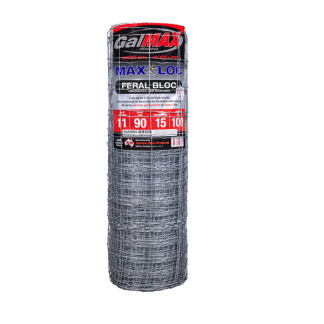
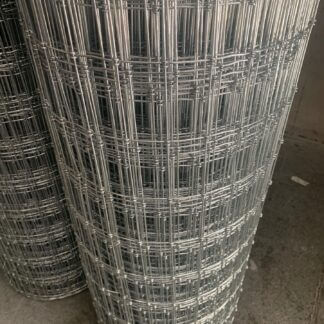
Galmax Maxloc Feral Bloc Exclusion Fence – 11/90/15 High Tensile Wire (100m Roll)
$395.00Add to cart -
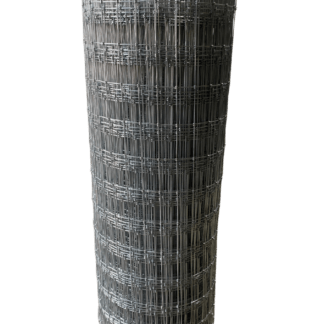
GALMAX MAXLOC FERAL BLOC EXCLUSION FENCING WIRE – 13/115/15 x 100m 2.5mm Heavy Gal
Sale! Original price was: $470.58.$440.00Current price is: $440.00.Add to cart -
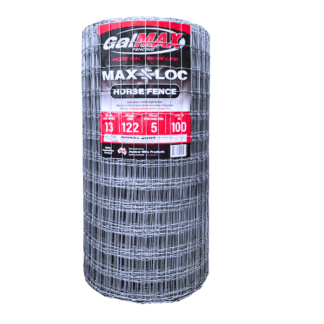
GALMAX MAXLOC HORSE FENCE 13-122-5 x 100m x 2.5mm HG
Sale! Original price was: $1,055.95.$990.00Current price is: $990.00.Add to cart -
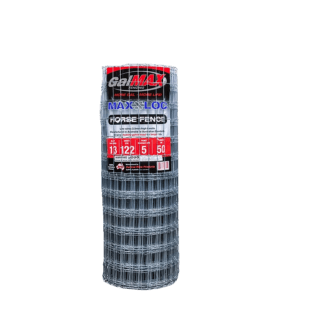
GALMAX MAXLOC HORSE FENCE 13-122-5 x 50m x 2.5mm HG
Sale! Original price was: $579.95.$525.00Current price is: $525.00.Add to cart -
Galvanised Heavy Rabbit Netting – 1800mm x 40mm hex x 1.4mm x 50m
Sale! Original price was: $449.95.$385.00Current price is: $385.00.Add to cart -
Galvanised Heavy Rabbit Netting – 300mm x 40mm hex x 1.4mm x 50m
Sale! Original price was: $89.95.$70.00Current price is: $70.00.Add to cart -
Stiff Stay Exclusion Field Fence 12/115/15 x 200m 2.5mm
$660.00Add to cart -
Stiff Stay Field Fence 13/120/10 x 2.5mm x 100m STD GAL
Sale! Original price was: $550.00.$425.00Current price is: $425.00.Read more -
Stiff Stay Field Fence 13/120/10 x 2.5mm x 50m
Sale! Original price was: $299.00.$225.00Current price is: $225.00.Add to cart -
Stiff Stay Field Fence 12/115/15 x 2.5mm x 100m
Sale! Original price was: $395.00.$330.00Current price is: $330.00.Read more -
Equine Horse Mesh 10-90-5 x 50m – 900mm High Galvanised Horse & Animal Fencing
Select options This product has multiple variants. The options may be chosen on the product page -
Equine Mesh 13-120-5 – 120cm x 50m x 2.5mm Horse Fencing
Sale! Original price was: $495.00.$350.00Current price is: $350.00.Add to cart -
Equine Horse Mesh 16-150-5 x 50m – 1500mm High Galvanised Horse & Animal Fencing
Sale! Original price was: $575.00.$495.00Current price is: $495.00.Add to cart -
Galvanised and Australian Made Chain Mesh for Sale
Price range: $95.00 through $165.00Select options This product has multiple variants. The options may be chosen on the product page -
Black PVC Chain Wire Mesh for Sale – Australian Made
Price range: $110.00 through $200.00Select options This product has multiple variants. The options may be chosen on the product page -
Horse Mesh Gates – 100mm x 50mm Mesh
Sale! Price range: $135.00 through $385.00Select options This product has multiple variants. The options may be chosen on the product page -
BUY HEAVY RURAL NETTING 40mm Hex x 1.4mm Heavy Galvanised
Sale! Price range: $80.00 through $425.00Select options This product has multiple variants. The options may be chosen on the product page
Feral Animal Exclusion Fencing — Buying Guide
Why Feral Exclusion Fencing Matters
Feral animals cause billions of dollars of damage to Australian agriculture and biodiversity each year. Foxes and wild dogs kill livestock and native wildlife. Feral cats drive threatened species toward extinction. Rabbits destroy crops, pastures and revegetation plantings. Feral pigs foul water sources, destroy crops and spread disease. Physical exclusion fencing is the most reliable long-term solution for protecting land from feral animal incursion when combined with other management strategies.
Key Feral Animal Exclusion Specifications
- Feral cats — require fine mesh (25mm or smaller) due to their slim body profile; a top overhang angled outward and electric deterrent are essential as cats are agile climbers; minimum height 1800mm
- Rabbits — 25mm mesh with 150–300mm buried or outward-folded ground skirt; minimum 900mm above ground; most accessible feral exclusion method
- Foxes and wild dogs — minimum 1800mm mesh height with electric top outrigger; 75mm or smaller aperture; 300mm buried or folded ground skirt
- Feral pigs — heavy-gauge mesh (2.5mm+) with concrete or buried footing; electric low outrigger wire; mesh height 900–1200mm
Conservation and Sanctuary Fencing
Feral exclusion fencing is widely used for wildlife conservation fencing — creating protected predator-free sanctuaries for threatened native species. Conservation-grade exclusion fencing typically excludes all feral mammals and uses specialised mesh, outrigger configurations and gate systems designed for this purpose. Government grants are available in some states for conservation exclusion fencing — check with your state’s environmental department for current programs.
Frequently Asked Questions
What is the most important feature of effective feral exclusion fencing?
The ground interface. Most feral animals attempt to gain entry by digging under fences rather than climbing or pushing through the mesh. A properly buried or outward-folded mesh skirt is essential to prevent this.
Do I need government approval for feral exclusion fencing?
On your own freehold land, physical exclusion fencing is generally permitted. On leasehold, native title or tenured land, consult the relevant land management authority before installation.
Order Feral Exclusion Fencing Online — Australia-Wide Delivery
Order online for fast dispatch, or contact our team for specialist advice on feral exclusion fencing specifications. We supply graziers, conservation managers and government agencies across Australia.