
Horse Fence / Equine Mesh
Shop our range of horse fence and equine mesh — purpose-designed wire mesh fencing engineered specifically for horse paddocks, providing safe containment without the risk of hoof entrapment or wire-related injuries.
-

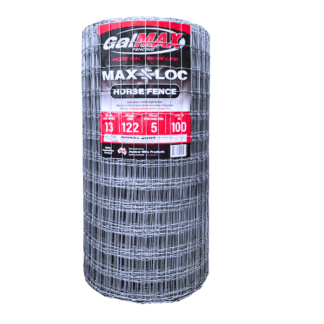
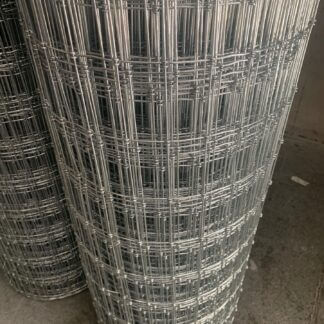
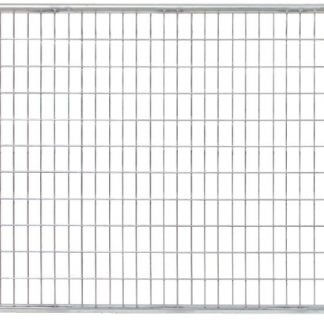
GALMAX MAXLOC HORSE FENCE 13-122-5 x 100m x 2.5mm HG
Sale! Original price was: $1,055.95.$990.00Current price is: $990.00.Add to cart -
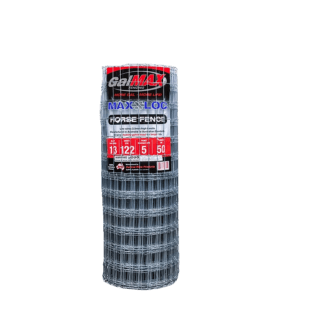
GALMAX MAXLOC HORSE FENCE 13-122-5 x 50m x 2.5mm HG
Sale! Original price was: $579.95.$525.00Current price is: $525.00.Add to cart -
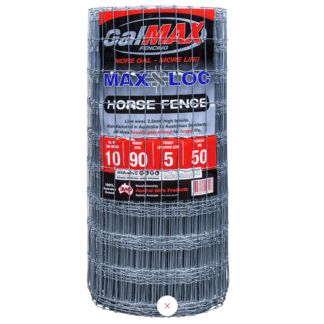
Galmax Maxloc Horse Fence – 10/90/5 High Tensile Mesh 2.5mm (50m Roll)
Sale! Original price was: $429.95.$395.00Current price is: $395.00.Add to cart -
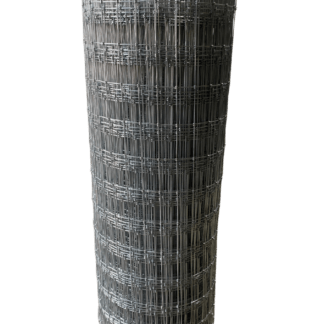
Equine Horse Mesh 10-90-5 x 50m – 900mm High Galvanised Horse & Animal Fencing
Select options This product has multiple variants. The options may be chosen on the product page -
Equine Mesh 13-120-5 – 120cm x 50m x 2.5mm Horse Fencing
Sale! Original price was: $495.00.$350.00Current price is: $350.00.Add to cart -
Equine Horse Mesh 16-150-5 x 50m – 1500mm High Galvanised Horse & Animal Fencing
Sale! Original price was: $575.00.$495.00Current price is: $495.00.Add to cart -
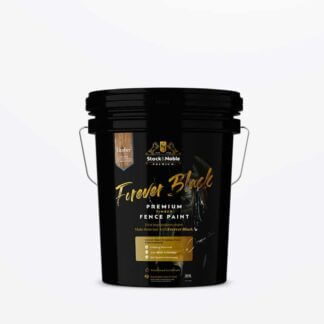
Stock and Noble FOREVER BLACK – 20L Premium Timber Fence Paint
$275.00Read more -
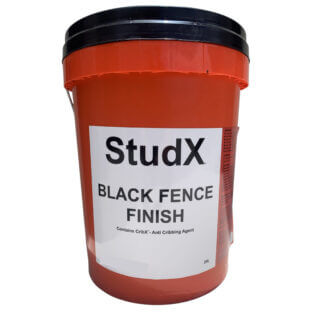
StudX Black Fence Finish – 20 Litre Pale
$150.00Add to cart -
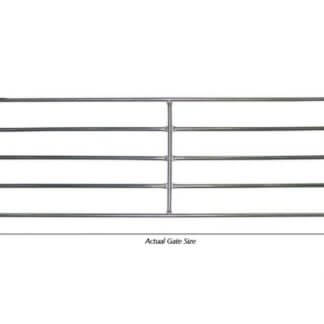
5 Bar Rural Farm Gates – Heavy Duty Galvanised Livestock Gates (4ft–16ft)
Sale! Price range: $85.00 through $225.00Select options This product has multiple variants. The options may be chosen on the product page -
Horse Mesh Gates – 100mm x 50mm Mesh
Sale! Price range: $135.00 through $385.00Select options This product has multiple variants. The options may be chosen on the product page -
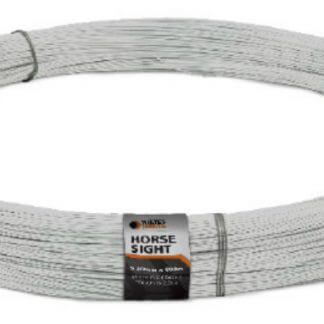
White Sight Wire for Horses for Sale – PVC Coated 5.2mm x 400m
Sale! Original price was: $286.88.$250.00Current price is: $250.00.Add to cart -
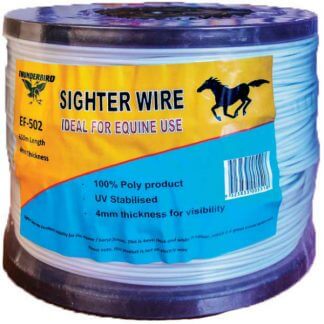
Thunderbird EF-502 Sighter Wire for Horses – Nylon 4mm x 650m
Sale! Original price was: $451.50.$315.00Current price is: $315.00.Add to cart -
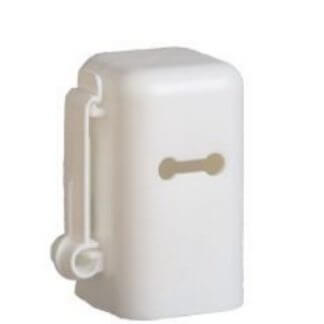
Thunderbird EF-23S Steel Post Cap Insulator
Sale! Original price was: $3.00.$2.75Current price is: $2.75.Add to cart -
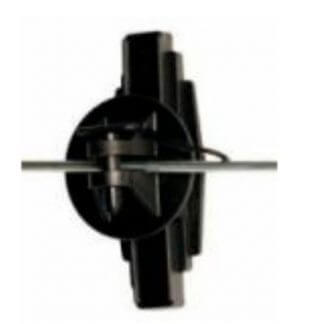
Thunderbird EF-19 Wood Post Electric Fence Insulator
Sale! Original price was: $1.00.$0.85Current price is: $0.85.Add to cart -
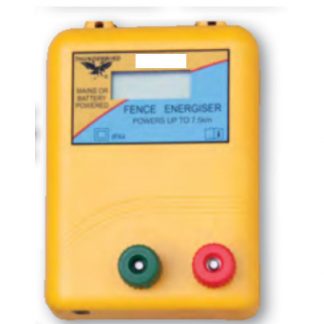
Thunderbird MB-145 15km Mains / Battery Energiser
Sale! Original price was: $287.68.$275.00Current price is: $275.00.Add to cart -
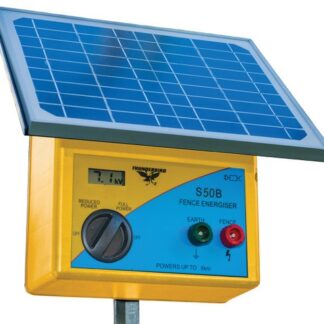
Thunderbird S-50B 5km Solar Energiser
Sale! Original price was: $591.22.$475.00Current price is: $475.00.Add to cart
Horse Fence & Equine Mesh — Buying Guide
Why Equine Mesh Is the Safest Choice for Horses
Standard chain wire and woven wire mesh fencing poses a significant risk to horses, as the aperture sizes can trap hooves and cause serious injuries. Purpose-designed equine mesh (also known as horse mesh or equi mesh) uses a fixed-knot construction with carefully selected aperture sizes that prevent hoof entrapment. The mesh is also designed to give under pressure — if a horse strikes or leans heavily against it, the mesh flexes rather than breaking or cutting, reducing the risk of injury to the horse.
Types of Horse Fencing
- Equine mesh / equi mesh — purpose-designed fixed-knot wire mesh; the gold standard for permanent horse paddock fencing
- Hinge joint mesh — used for horse paddock boundaries where the horse population is lower and impact risk is reduced; should be combined with a top electric or plain wire
- Electric tape and rope — lightweight, high-visibility electric fencing popular for subdivision of paddocks and rotational grazing
- Titan Rail PVC fencing — highly visible white PVC rail fencing; popular for stable yards, arenas and high-use horse areas
- V-mesh / no-climb horse fence — V-shaped wire pattern that deters climbing and prevents hoof entrapment; popular internationally and increasingly used in Australia
Selecting the Right Mesh for Your Horse Property
For permanent paddock fencing, purpose-designed equine mesh with fixed knots is the recommended choice. The mesh height should be a minimum of 1200mm for most horses, with 1500mm preferred for thoroughbreds and Warmbloods. Post spacing of 3–4 metres is standard, with closer spacing in corners and high-pressure areas. A smooth plain wire or electric wire along the top is recommended to prevent horses from leaning over and deforming the mesh.
Safety Tips for Horse Fencing Installation
Avoid any fencing that could catch, cut or entangle a horse — this includes barbed wire (never appropriate for horses), standard chain link fencing and loose or sagging wire. Always use insulated clips or staples when attaching electric wire near mesh fencing. Remove old fencing material completely before installing new fencing to eliminate hidden hazards in long grass.
Frequently Asked Questions
Can I use chain wire fencing for horses?
Chain wire fencing is generally not recommended for horses — the diamond-shaped apertures can trap hooves and the mesh can sag and become loose over time. Purpose-designed equine mesh or hinge joint mesh is strongly preferred.
What is the minimum fence height for horse paddocks?
A minimum of 1200mm is generally recommended, with 1500mm preferred for larger, more active breeds. Arena and stable yard fencing is often 1800mm or higher.
How long does equine mesh fencing last?
Hot-dipped galvanised equine mesh typically lasts 20+ years with proper installation and maintenance.
Order Horse Fencing Online — Australia-Wide Delivery
Order online for fast dispatch, or contact our team for expert advice on equine-safe fencing for your horse property. We supply equestrian properties, agistment centres and rural landowners across Australia.